Basement Renovations: 3 Budgets, 3 Basements
What it Costs to Remodel a Basement in Lafayette, Indiana Are you ready to tackle your finished or unfinished basement and turn it into something you...
4 min read
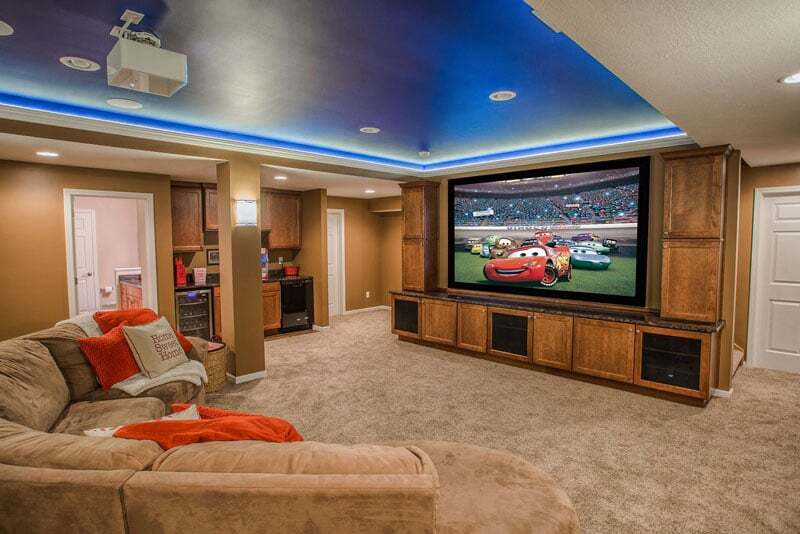
Media rooms or home theaters have steadily gained in popularity, and it’s not surprising after lifestyle improvements have spurred demand for home remodeling projects. So, if a home theater or media room space is on your wishlist, we’ve compiled a list of essential design options to consider.
It takes thoughtful planning to make your media space turn out exactly as you had planned. With the right design, your media room can be an inviting gathering place even when the lights are on, and the sound system is off.
Lights! Camera! Action! Pass the popcorn, please! Here’s what you need to know...
Carving out a section of your basement is an ideal way to make good use of an unfinished or underused space. Basements typically do not have large windows, multiple doorways, or high ceilings, making them ideal for transforming a room into a dedicated home theater. You might also consider utilizing a section of a garage or unused bedroom that is approximately 20 x 13 feet—an ideal configuration for a home theater.

Media centers require electrical wiring—and lots of it— to provide proper lighting, video, and surround sound. Even if you have to remove sections of drywall to reroute circuits, it's better to hide the necessary electric infrastructure than to "make do" with visible cables and wires. Your design-build contractor and a qualified electrician will assist you with planning your media room, including proper placement of wiring for essential speaker locations, a receiver, A/V equipment, a video projector, and essential lighting.
Generally, you’ll want to consider wiring that allows speaker placement 1) above or below the viewing screen, 2) at either side of the screen, 3) on the sidewalls, 4) and on the back wall. You’ll also want to identify a location for the receiver and A/V equipment, which can be placed in a hidden cabinet or nearly closet.

Soundproofing a media room involves modifying the surrounding wall, floor, and/or ceiling to minimize the amount of sound traveling to other rooms or adjoining neighbors. To quiet the noise, insulation plays a huge role. An insulation rating of R30 is recommended for use in exterior walls, the ceiling, and floors. To keep rumbling movie sounds to a minimum, you’ll also want to consider insulating the interior walls with loosely-packed R11 insulation. The more soundproofing you can apply, the more functional the media room will be.
If permitted, you’ll also want to consider using specialty drywall such as QuietRock Soundproof as an effective sound barrier.
Other soundproofing techniques to muffle sound include hanging wool or velvet drapes on the outside of the walls, or quilt batting covered with decorative fabric. To minimize sound transmission between floors you can even use acoustic ceiling tiles.
Do you remember, as a child, sitting in the front row of the movie theater? By the end of the movie, your neck hurt, and you were squirming in your seat, right? You’ll want to prevent this from happening in your home theater. There is an optimal location and placement of your screen so that you can minimize neck and eye strain. A rule of thumb from media experts is that the seating area should be positioned 1.5 times the diagonal measurement of the television from the screen for optimal viewing comfort.
And, when it comes to the video display, bigger is not always better. Investigate the relative advantages of LED, LCD, and plasma technology, or explore innovative OLED that is reputed to be thinner, brighter, and more energy-efficient.
Understand that, whether you create a dedicated home theater or you plan a first-class viewing center in your living room or den, your screen, sound system, and lighting must work in tandem. Clarity and picture quality are vital, comfort counts, and you want the sound system to be as easy to operate and as attractive as possible. That means planning! Avoid skimping on the planning process.
Once you have identified the room's location, the next step is to create the "shell" of your media center, select the specific equipment, and plan its installation. When that is done, move on to the aesthetic choices that will enhance your viewing experience and create the finished space of your dreams. Here's the shortlist of priorities:
When you're ready to begin planning your home theater, call on Riverside Construction, which has experience in all things home remodeling. As the premier design-build contractor in Lafayette and West Lafayette, our team can help you determine the best location and the best materials, and the most economical ways to proceed with your media room project. Contact us or call 765.838.1644.
Not quite ready? Sign up to receive our monthly newsletters Designed for Life—chock-full of remodeling tips, design ideas, and the latest remodeling trends.

What it Costs to Remodel a Basement in Lafayette, Indiana Are you ready to tackle your finished or unfinished basement and turn it into something you...

You've decided to build a beautiful four-season sunroom for your Lafayette home. It's a wonderful choice! You'll get to enjoy the benefits of more...
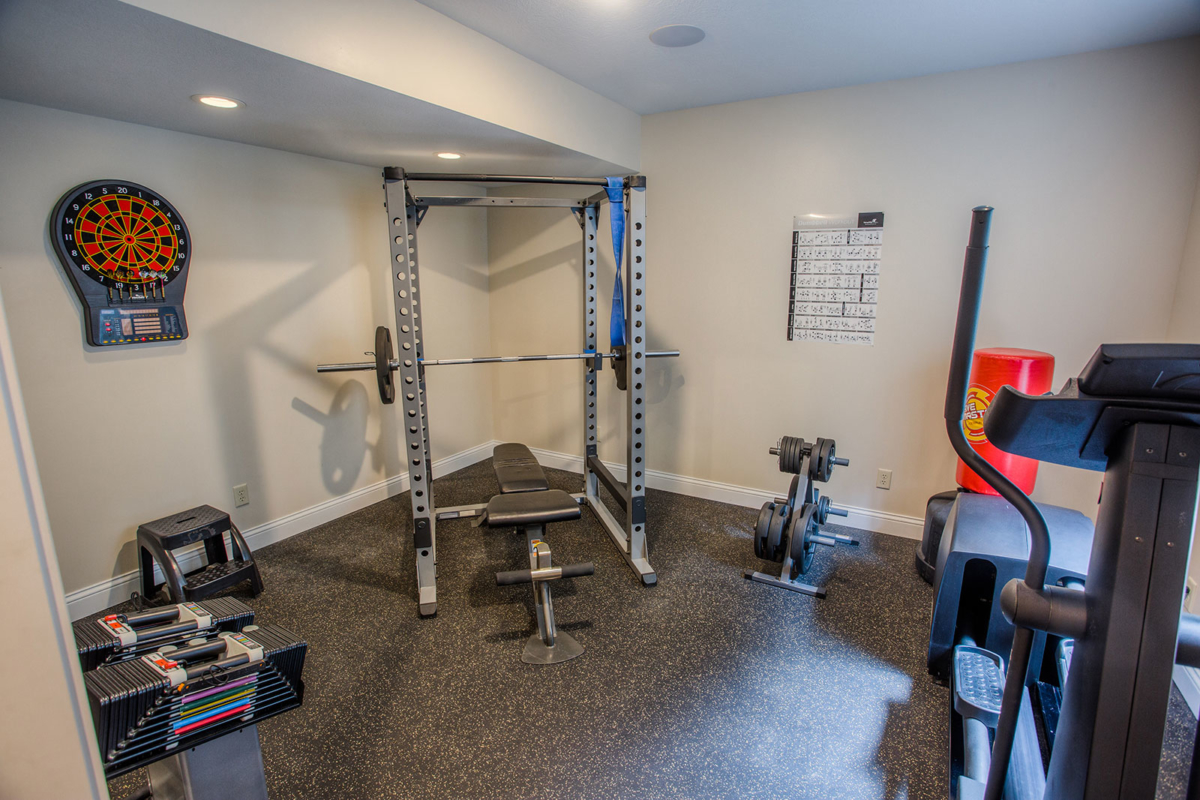
The decision to install a home gym can be life-changing in any number of ways, but it also involves a lot of decision-making. The physical location...