 Andy Haste
How To Choose the Best Materials for your Four-Season Sunroom
You've decided to build a beautiful four-season sunroom for your Lafayette home. It's a wonderful choice! You'll get to enjoy the benefits of more...
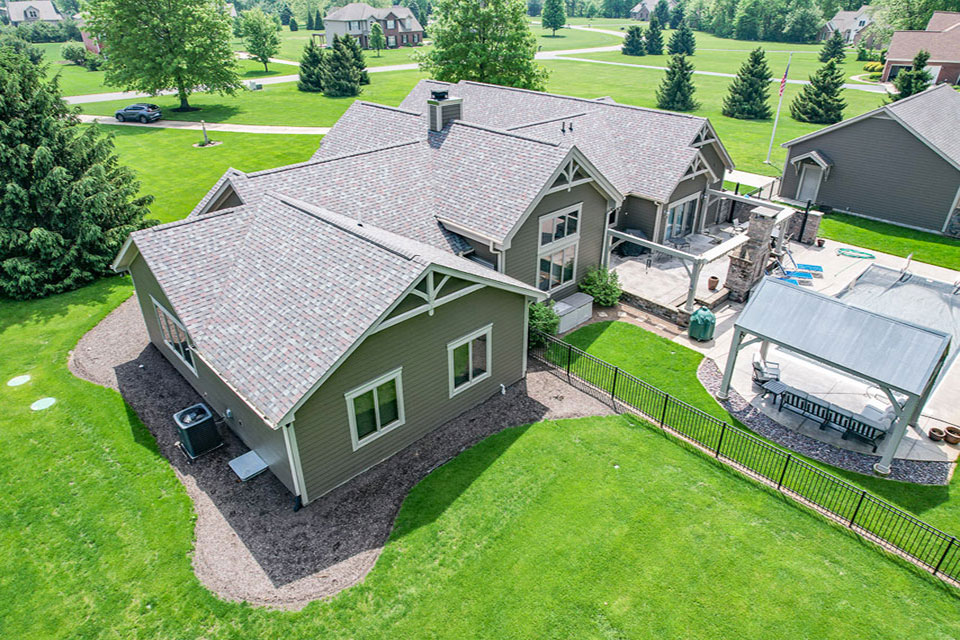
The house is quiet. Morning light filters through the kitchen windows. You pour your coffee and begin the day the same way you have for years.
Later, you head upstairs to grab something you forgot. Halfway up the stairs, you notice it takes just a little more effort than it used to. Nothing alarming. Just different.
That small moment can plant a bigger question.
You love your home. You love your neighborhood. The idea of packing up and starting over does not appeal to you. Your mortgage is manageable or paid off. Your roots are here. But you also know that homes, like people, need to evolve.
For many long-term homeowners, this is when the thought of a main floor primary suite addition begins to surface.
It is not always driven by urgency. Sometimes it is about planning ahead. Sometimes it follows an injury, a health diagnosis, or the arrival of an aging parent. Other times, it is simply about long-term comfort and convenience.
Adding a primary bedroom to the main level can offer flexibility and peace of mind. Yet while the idea sounds straightforward, the success of the project depends on thoughtful planning and a well-considered floor plan long before construction begins.
Before discussing layouts or square footage, take a step back and think about the future.
Are you planning to remain in your home for the next decade or longer? Are you thinking about aging comfortably in place? Do you want space for adult children when they visit, or for a parent who may need support?
For many homeowners, the motivation behind a main floor primary suite addition is deeply personal. They have lived in their home for 20+ years or even raised their kids in the same home.. They value their neighbors and community or the piece of property the home is unique and/or special to them.
This type of project is not simply about adding a bedroom. It is about aligning your home design with the way you want to live moving forward.
Whether you envision a modest primary bedroom suite or a more expansive luxury primary suite with space to relax, your goals should shape the overall floor plan and layout from the beginning.
When your long-term vision is clear, the right decisions about bedroom design and placement become easier.
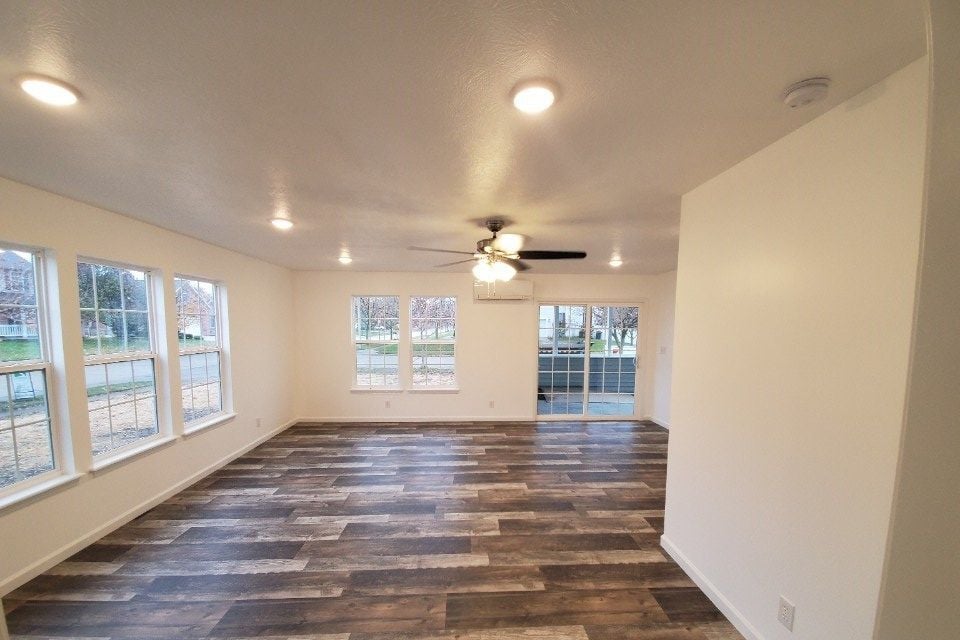
Before falling in love with a design, it is important to understand what your property allows.
Within city limits, setback requirements determine how close you can build to property lines. Municipal regulations may require a specific amount of green space relative to your lot size and overall home coverage. Easements and HOA guidelines can further influence what is possible.
On rural properties, septic fields must be carefully considered. Additions must maintain proper distance from those systems, which can affect placement and size.
Sometimes homeowners imagine extending the home in a particular direction, only to discover zoning limits what the floor plan can accommodate. Understanding these constraints early ensures your addition design aligns with what is legally and practically possible.
A successful main floor primary suite addition begins with feasibility and thoughtful planning.
One of the most valuable early questions is whether additional square footage is necessary at all.
In some homes, reconfiguring existing space can create a primary bedroom and primary bathroom on the main level without expanding the footprint. An underused formal dining room or office may be transformed into a comfortable suite.
However, reconfiguration has limits.
If achieving the primary bedroom suite you want would require redesigning most of the main floor plan, the disruption may outweigh the benefit. In those situations, an addition often creates a more balanced and intentional outcome.
Sometimes a solution can also be a little of both reconfiguration and addition. Rooms like an office, formal living room, or dining room could become a bedroom with minimal changes while an addition could be added on just for the bathroom and closet space. This works best when the room is close to an exterior wall with the ability to build out in that direction while still meeting zoning stipulations.
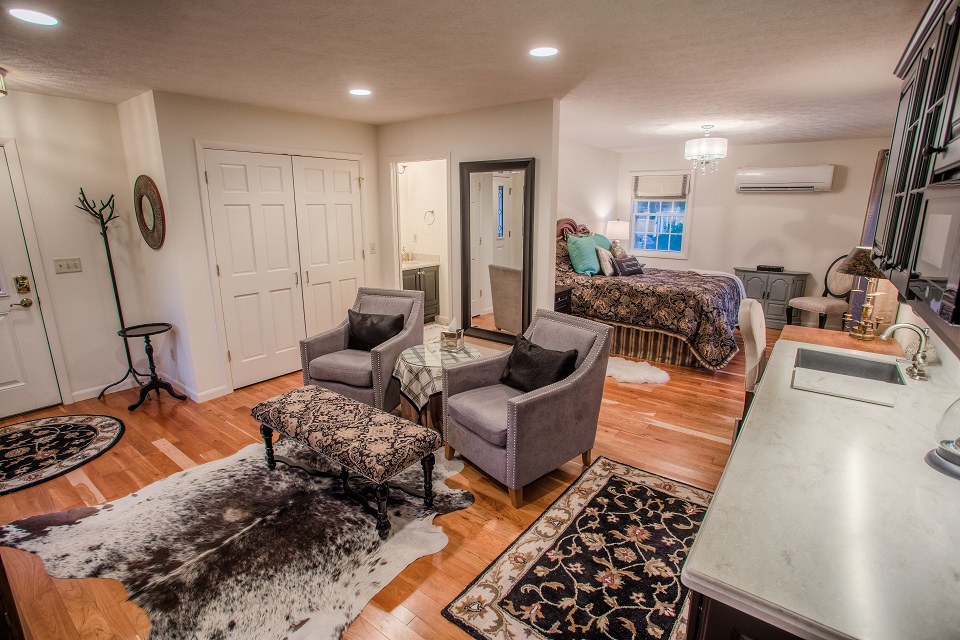
A home addition should complement the existing home design, not compete with it.
Placement plays a major role. The new suite should connect naturally to the existing layout while preserving the flow of everyday spaces. In many homes, a former window opening becomes a doorway into the new area, allowing for a seamless transition.
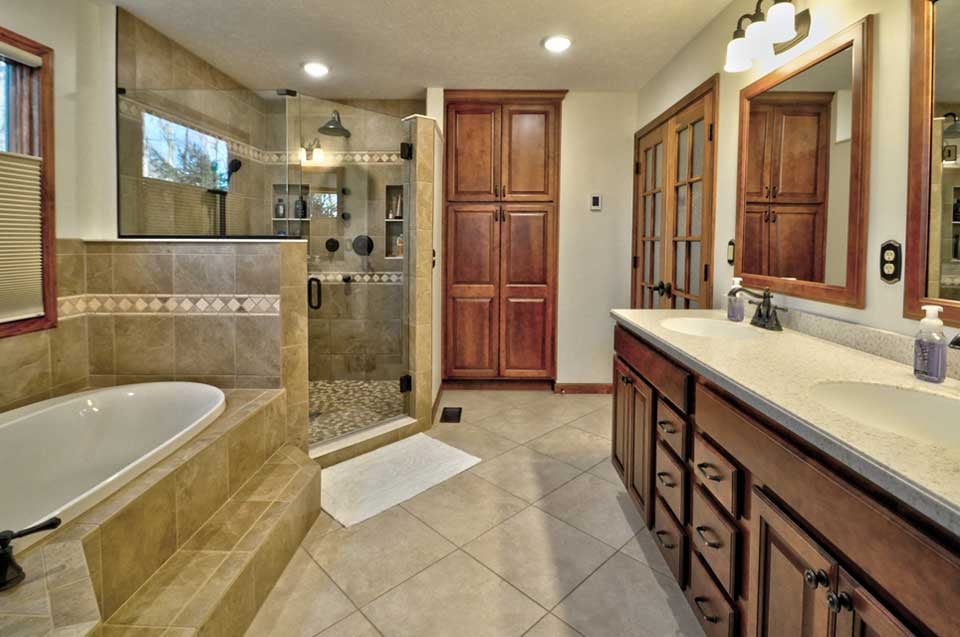
Bathroom planning is especially important. A well-designed ensuite should connect efficiently to existing plumbing systems while still offering the features you want in a primary bathroom. Whether that includes a double vanity, a spacious walk-in shower, or thoughtful storage, the layout must balance practicality with comfort.
Natural light is another priority. A main floor primary suite addition should always be thoughtfully planned out to avoid having to close off windows in other rooms as much as possible. Sometimes sacrificing a window is necessary, but another window can be added somewhere else to make up for it.. Preserving light maintains the character and livability of the home.
Closet configuration depends on your goals. Some homeowners prefer a generous walk-in closet. Others prioritize bedroom square footage and opt for a reach-in solution. If space allows, a small sitting area within the suite can provide a quiet retreat for reading or relaxing, especially in a larger luxury primary suite.
Heating and cooling must also be considered. Integrating the new space into existing comfort systems ensures the suite feels consistent with the rest of the home year-round. Depending on the size and location of the addition, multiple options are available. Sometimes upsizing the entire home HVAC system and tying the addition into it makes the most sense. Other times, using something like a PTAC unit or mini split will get the job done and offer extra zoning control for that area.
The true measure of success is how naturally the addition integrates into the overall floor plan.
Accessible design can be subtle, refined, and integrated into thoughtful home design.
A well-planned primary bedroom includes ample space around the bed and furniture so movement feels easy. Bathrooms should allow enough clearance to accommodate mobility devices if needed in the future.
Shower design requires careful balance. A walk-in shower should be spacious enough to allow for a bench or assistance if necessary, yet not so oversized that safety is compromised. Low-threshold or curbless entries reduce tripping hazards. Reinforced walls make it possible to install decorative grab bars later without major renovation.
Materials throughout the space should also support easy movement, daily use, and maintenance. Bathroom flooring could be tile with added heat for warmth, or luxury vinyl tile could be an easy to clean and slightly more forgiving material since it’s not as hard as tile. In the bedroom luxury vinyl plank gives the appearance of wood while still being highly durable and easily cleaned. If carpet would be preferred because it’s a warmer and more cushioned surface, a dense and low pile carpet could be helpful in the long run if mobility becomes an issue. Showers with larger tiles, cultured marble or corian sheets, create the possibility for custom configurations while still keeping a more easy to clean surface.
These design decisions support flexibility at any age. They enhance comfort without making the space feel institutional.
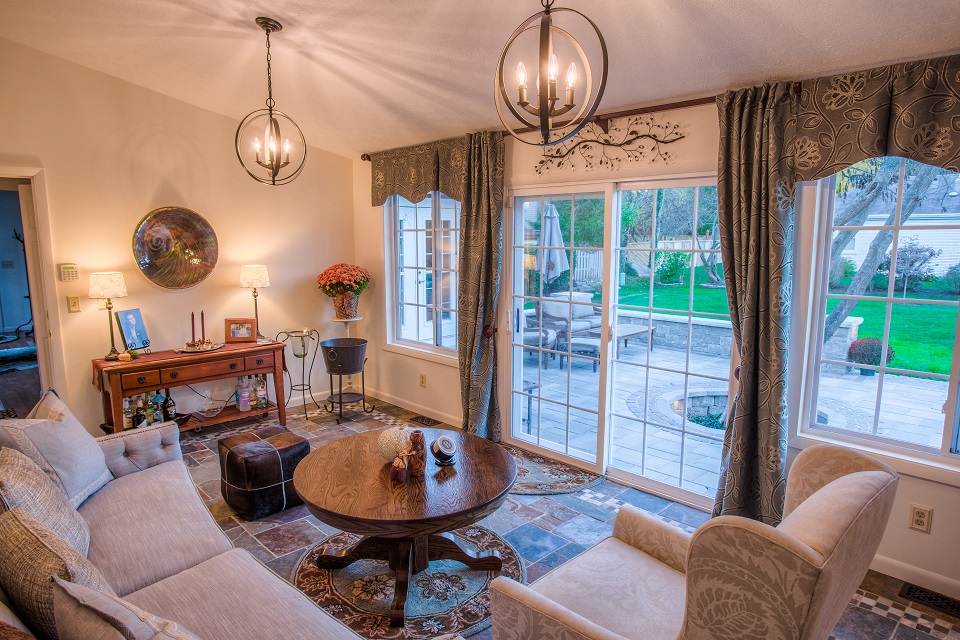
If you’re designing this primary suite with the thought of aging in place in your home, laundry placement is another important consideration. In many older homes, washers and dryers are located in the basement. Relocating laundry to the main level can significantly improve long-term independence and daily convenience. If this is the case for you, it might be beneficial to plan a space for laundry within the master closet or in conjunction with the new suite.
If the laundry room becomes part of the project, it is wise to think about what type of units are going to be easiest to use as you age. There is usually a balance between available space and the types of units you want to include. For example, it may not be conducive for some to have a stacked washer and dryer due to the height of the upper unit. If at all possible, front loading units on pedestals put both units at the proper heights for the most ergonomical use for anyone who might use them.
Lastly, ask your designer and contractor if they have experience in designing and building aging in place spaces. Programs are available through the National Home Builders Association for someone to become a Certified Aging in Place Specialist (CAPS). The program goes through additional recommendations for added clearances and considerations when building or remodeling with aging in mind.
A main-floor suite often makes sense in two-story homes without a primary bedroom on the main level. It can also be ideal for families planning multi-generational living or homeowners committed to staying long term.
Historically, the term master suite was used to describe the largest bedroom and attached bath. Today, the preferred terminology is primary suite, reflecting a more inclusive approach to home design.
Regardless of terminology, the goal remains the same: create a space that functions beautifully within your overall floor plan while supporting your lifestyle.
Unexpected injuries, changing health circumstances, or evolving family needs can make stairs challenging. Having a primary bedroom and ensuite on the main level provides flexibility and resilience.
That quiet moment on the staircase. The realization that daily routines can shift over time. The desire to remain in a home filled with memories.
A main floor primary suite addition is not simply about adding a bedroom. It is about shaping your home design around your long-term needs.
Whether your vision includes a modest primary bedroom suite or a more expansive luxury primary suite with a sitting area and thoughtfully designed primary bathroom, the key is intentional planning.
When approached carefully, it can improve daily convenience, support independence, and enhance property value for years to come.
If you are beginning to explore your options, start with education.
Download the free eBook: Building Beyond Boundaries - How Thoughtful Home Additions Expand Space and Enhance the Way You Live to better understand the planning process and what to expect.

If you would also like to learn more about the design-build process and what it is like to remodel with Riverside Construction, explore the branded guide here.

Your home has supported your life for years. With thoughtful planning, it can continue to do so for decades to come.

You've decided to build a beautiful four-season sunroom for your Lafayette home. It's a wonderful choice! You'll get to enjoy the benefits of more...

 Andy Haste : Feb 26, 2026, 8:14:59 AM
Many homeowners reach a point where their home technically has enough rooms, yet still doesn’t fully support the way they live. Maybe there’s no...
1 min read
Andy Haste : Sep 10, 2026, 8:15:00 AM
Picture a couple who spends part of the year traveling the world. They have earned that freedom, and they intend to use it. But when the weather...