 Andy Haste
2 Ways to Design and Build a Beautiful Home Office
Working from home has never been so popular. It had been a growing trend before the Covid-19 pandemic, but when physical distancing became mandatory,...

Many homeowners reach a point where their home technically has enough rooms, yet still doesn’t fully support the way they live. Maybe there’s no quiet place to work, no comfortable space to relax away from the main living areas, or no room that can adapt as routines change. When a home feels like it almost works, the missing piece is often a multipurpose room.
Thoughtful multipurpose room design isn’t about squeezing more uses into one space. It’s about identifying what’s missing from daily life and creating a room that fills those gaps in a way that feels intentional, comfortable, and long-lasting. See this
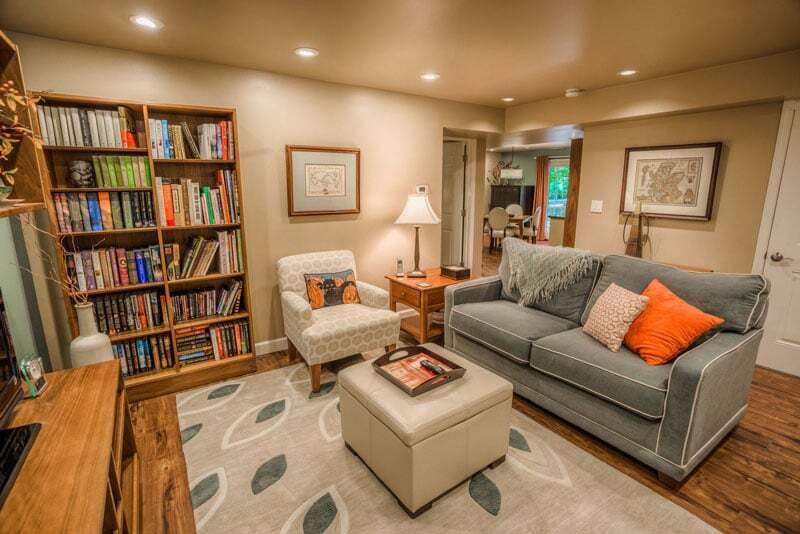
See this basement remodel project as an example of multipurpose room design
Basement Remodel
Before thinking about layouts or square footage, it helps to step back and consider how your home functions today. Most homeowners sense that something isn’t working long before they can clearly define it.
Common needs that drive multipurpose room design include:
Clarifying what’s missing creates focus. When priorities are clear, design decisions become easier, and the finished room is far more likely to support how you actually live.
It’s also important to think beyond today. Many homeowners plan for a room to serve one purpose now and another later—such as an office that could become a guest room, or a main-floor bedroom that supports aging in place. Designing with that flexibility in mind helps the space remain useful over time.
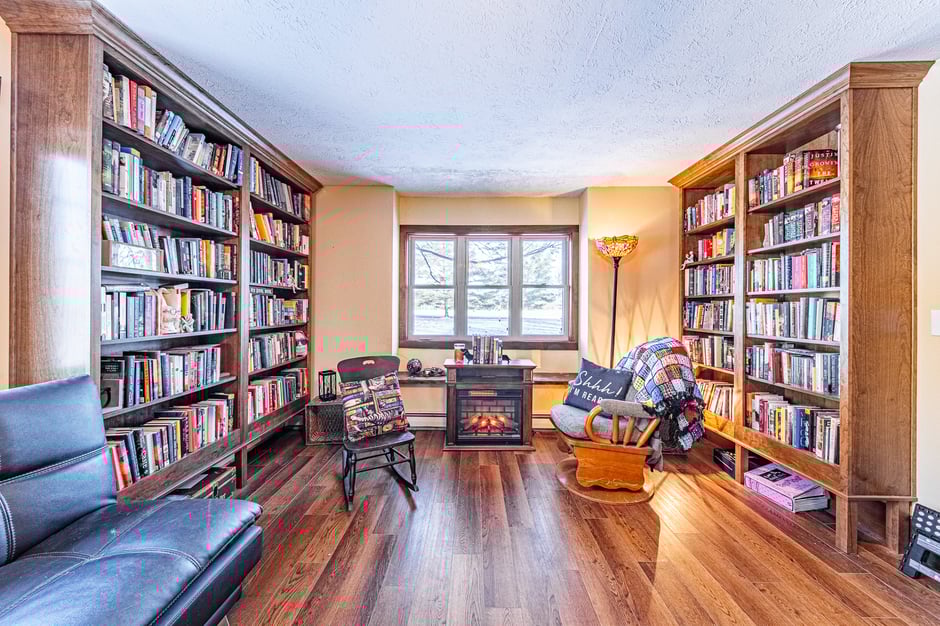
A successful multipurpose room feels cohesive, not cluttered. It supports more than one activity without feeling like a temporary solution or a catch-all space.
Well-designed multipurpose rooms:
Design choices play a major role in making this possible. Zoning helps define how different activities coexist within the room. Storage keeps functions tucked away when they’re not in use. Lighting is generally flexible rather than highly specialized, allowing the room to adapt without constant adjustment. Many homeowners also choose fewer built-ins, relying instead on movable furniture that allows the space to evolve.
Above all, the room should feel connected to the rest of the home. Respecting the home’s architecture and planning for both current and future use ensures the space feels like it truly belongs.
Once priorities are clear, the next step is deciding whether an existing space can support them or if an addition is needed.
Some homeowners successfully repurpose underused areas such as:
Formal dining rooms that no longer reflect how they live
Spare bedrooms with limited functionality
Awkward bonus rooms or oversized hallways
Basements with untapped potential
Repurposing can work well when the layout, light, and privacy already align with the intended use. In other cases, the existing footprint simply can’t support the desired function comfortably.
Signs an addition may be the better solution include:
When done thoughtfully, an addition isn’t about excess space. It’s an intentional solution to restore balance, function, and comfort to the home.
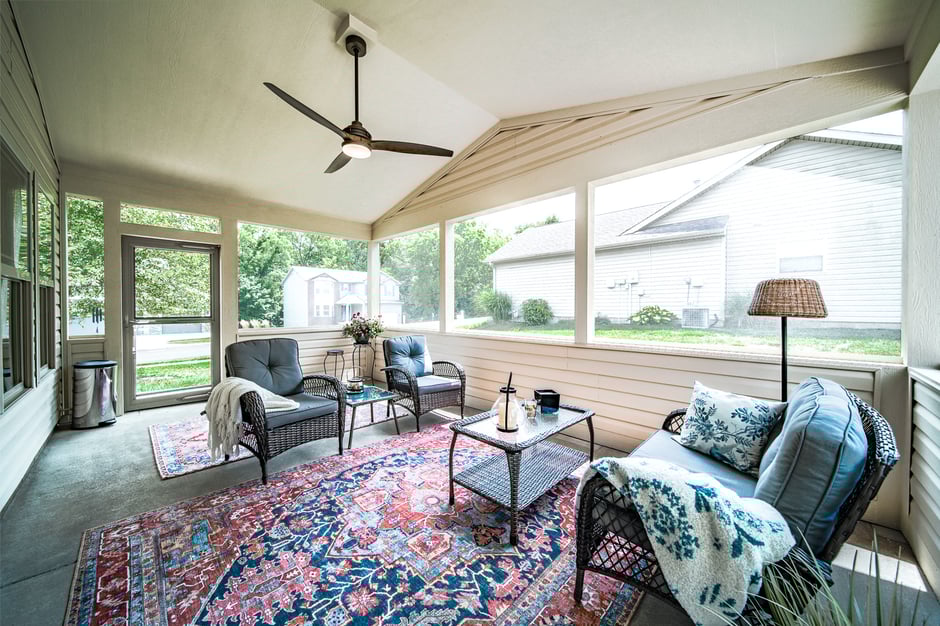
While every home is different, certain multipurpose room combinations appear often because they work well over time.
Common examples multipurpose rooms include:
What these spaces share is flexibility. Each is designed to support multiple uses without sacrificing comfort or clarity.
See this three-season room upgrade as an example of multipurpose room project
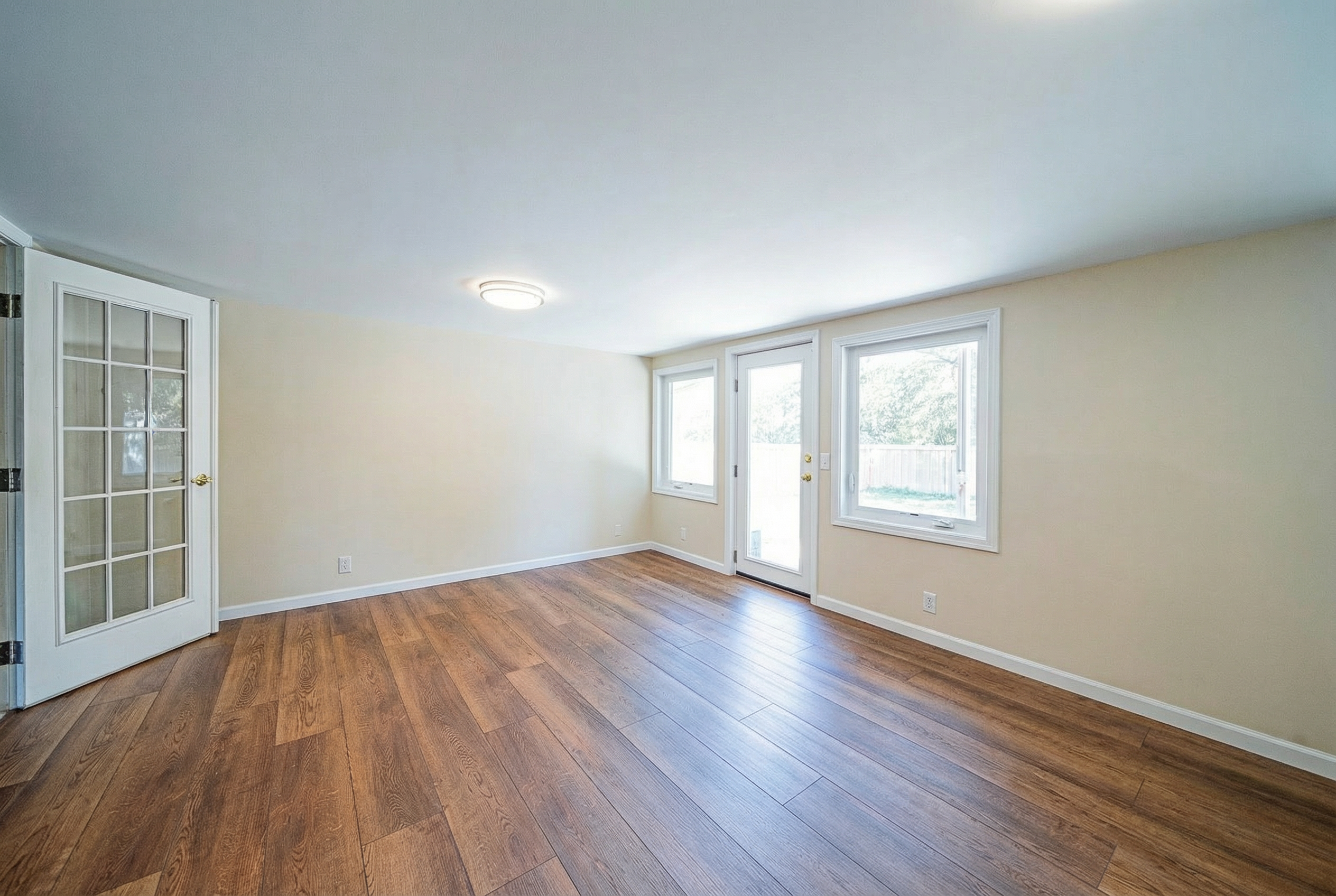
Multipurpose room design works best when it accounts for how life changes. Growing families, shifting work routines, entertaining needs, and long-term livability all influence how a room should function.
Planning ahead reduces future disruption and helps avoid costly remodels down the road. When flexibility is built into the design from the start, the room can adapt naturally as needs evolve.
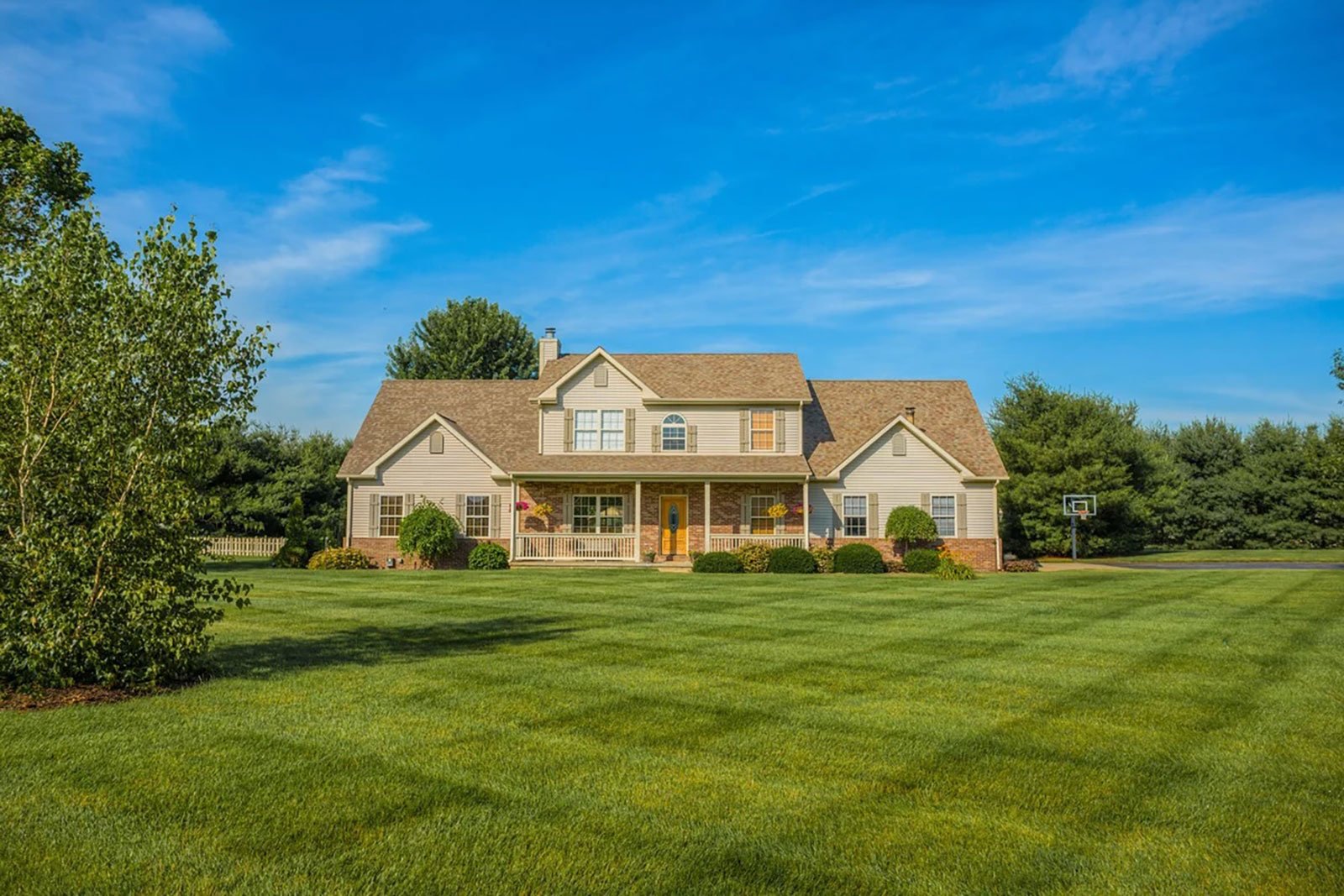
Creating a successful multipurpose room begins with a guided design process that focuses on function before form. A thoughtful remodeler helps homeowners define how the room will be used, how often activities overlap, and how those uses may change over time.
This process considers layout, storage, lighting, and flow, both within the room and throughout the home. Zoning helps activities coexist comfortably. Storage keeps the space flexible. Lighting supports different moods and tasks without locking the room into a single purpose.
Equally important is how the space connects to adjacent rooms and aligns with the home’s architecture. By addressing these factors early, homeowners gain clarity and confidence before construction begins, ensuring the finished room truly supports daily life.
A well-designed multipurpose room does more than solve a short-term problem. It enhances how your home functions every day and adapts as life changes. Whether the solution involves repurposing existing space or planning an addition, the most successful outcomes begin with clear priorities and thoughtful design.
If you’re early in the planning process, we invite you to download our Home Additions eBook, Expanding Your Home With Purpose, to explore how additions can support changing lifestyles and long-term comfort.
If you’re ready to take the next step, you can also request a Home Remodeling Discovery Session to explore what’s possible for your home

Working from home has never been so popular. It had been a growing trend before the Covid-19 pandemic, but when physical distancing became mandatory,...

While naturally adding square feet, room additions are a wonderful investment that allows you to prolong the enjoyment of your home (and your...
Sometimes even the coziest of homes can feel a little too cozy. It’s not uncommon for homeowners to love their house and neighborhood but just need...