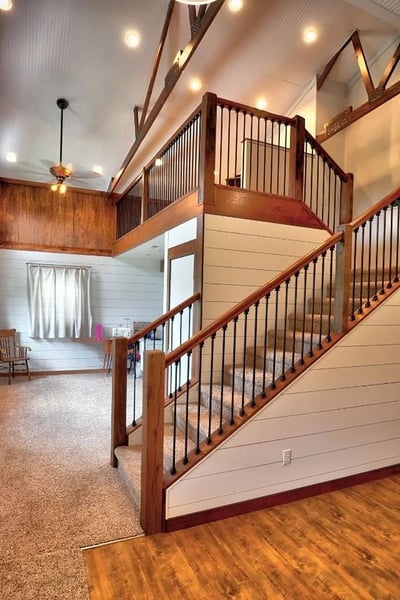
The Desire for More Space

At one time, your home fit your life well.
But as your family, routines, and priorities change, that same space can start to feel tight.

Children grow. Parents visit or move in. Family gatherings last longer. Friends gather more often. What once worked easily now requires constant adjustment, from rearranging furniture to coordinating schedules and sharing space in ways that feel less comfortable.

You may feel it most when you entertain, when guests stay overnight, or when everyday activities overlap in ways your home was never designed to support. At the same time, you may love your neighborhood, your community, or your school district and want to stay right where you are.

This is often the moment homeowners begin thinking about an addition. Others wonder whether moving would be easier. And some discover that the space they already have simply is not working as efficiently as it could.

Expanding your home is not just about adding rooms. It is about creating more room to live, with greater comfort, connection, and ease, while maintaining harmony, balance, and architectural integrity. This guide is designed to help you understand your options and think clearly about how your home can grow with you.

home-addition-1

Understanding Why You Need More Space

Before deciding how to expand your home, it helps to step back and understand why more space feels necessary.

For most homeowners, the need is driven by lifestyle changes rather than square footage alone.

Common reasons include:

  • Growing families or multi-generational living
    Additional children, aging parents, or extended family members often change how a home needs to function day to day.
  • The need for flexible or dedicated spaces
    Home offices, hobby rooms, quiet retreats, or secondary living areas may become essential over time.
  • Entertaining and gathering more often
    Hosting holidays, celebrations, or casual get-togethers can highlight limitations in kitchens, dining areas, or living rooms.
  • A desire to stay in a specific neighborhood or school district
    Many families prefer to adapt the home they have rather than leave a location they value.
  • Planning for long-term comfort
    Some homeowners begin thinking ahead about accessibility, privacy, or main-floor living.
  • Wanting a stronger connection to the outdoors
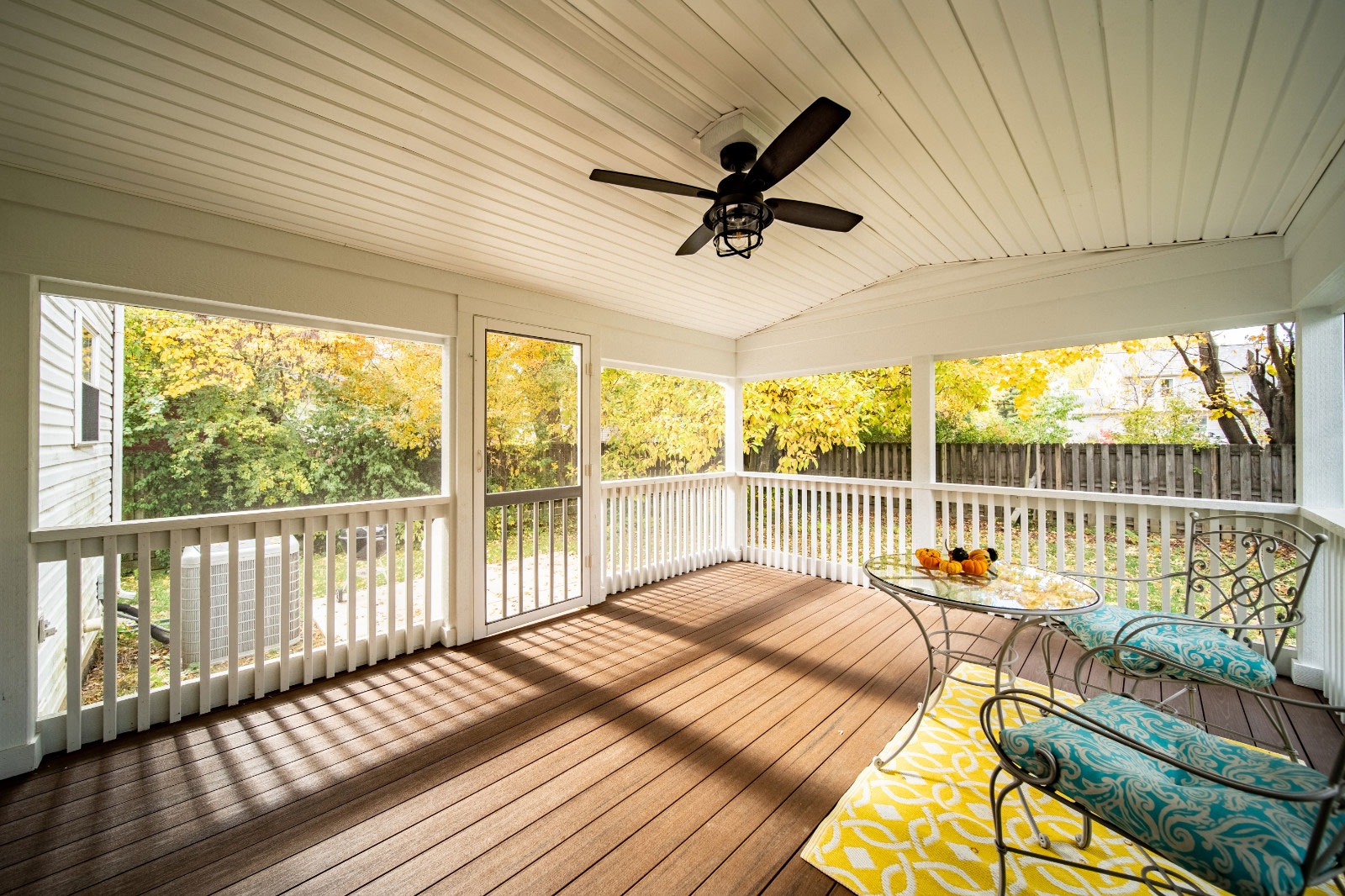
    Sunrooms, screened porches, and four-season spaces offer ways to enjoy natural light and fresh air with greater comfort.

When homeowners take the time to clarify what is missing from daily life, design decisions become more focused and outcomes more satisfying.

If You Are Planning a Home Addition - Get Your eBook PDF Now

Before adding space, it’s important to understand why your home no longer fits and what options truly support the way you live.

Our eBook, Building Beyond Boundaries, helps you think through home additions with clarity—when it makes sense to rework existing space, when expanding is the better solution, and how thoughtful design improves flow, comfort, and long-term livability.

If you’re in the early stages of planning, this guide provides a clear starting point before decisions feel overwhelming.

Download Now

home-addition-3

Exploring the Options — From Reimagining to Expanding

Not every space challenge requires an addition. In many cases, the right solution begins with understanding how your home is currently used.

home-addition-5Reimagining Existing Space

Some of the most effective changes come from rethinking layouts rather than building outward.

Kitchens are a common example. Storage can be improved. Cabinetry can be reconfigured. Walls can be adjusted to improve flow. In some homes, reworking the main floor creates space for a bedroom, bathroom, or larger kitchen without changing the home’s footprint.

In other cases, homeowners choose to trade one type of space for another. A rarely used bedroom may become part of a larger primary suite. A formal dining room may be repurposed to better support everyday living.

Adding Living Space Above the Home

Adding space above an existing home is sometimes considered, but it requires careful evaluation. This approach often introduces challenges such as structural limitations, stair placement, and reinforcement of existing framing and foundations.

When feasible, upper-level additions or attic conversions may be used for:

  • Additional bedrooms
  • Home offices
  • Private retreat spaces connected to existing bedrooms

Even when an attic appears spacious, structural upgrades are often required to safely support finished living space. Evaluating these conditions early helps homeowners understand whether this option is realistic for their home and budget.

Expanding the Home Outward
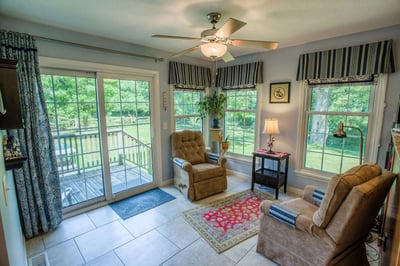
home-addition-6When reconfiguring existing space is not enough, expanding the home outward can provide meaningful additional square footage.

These additions often include:

  • Family room expansions
  • Larger kitchens that improve storage, flow, and gathering space
  • First-floor primary suites designed for comfort and long-term living
  • Sunrooms or four-season rooms
  • Covered or screened porches

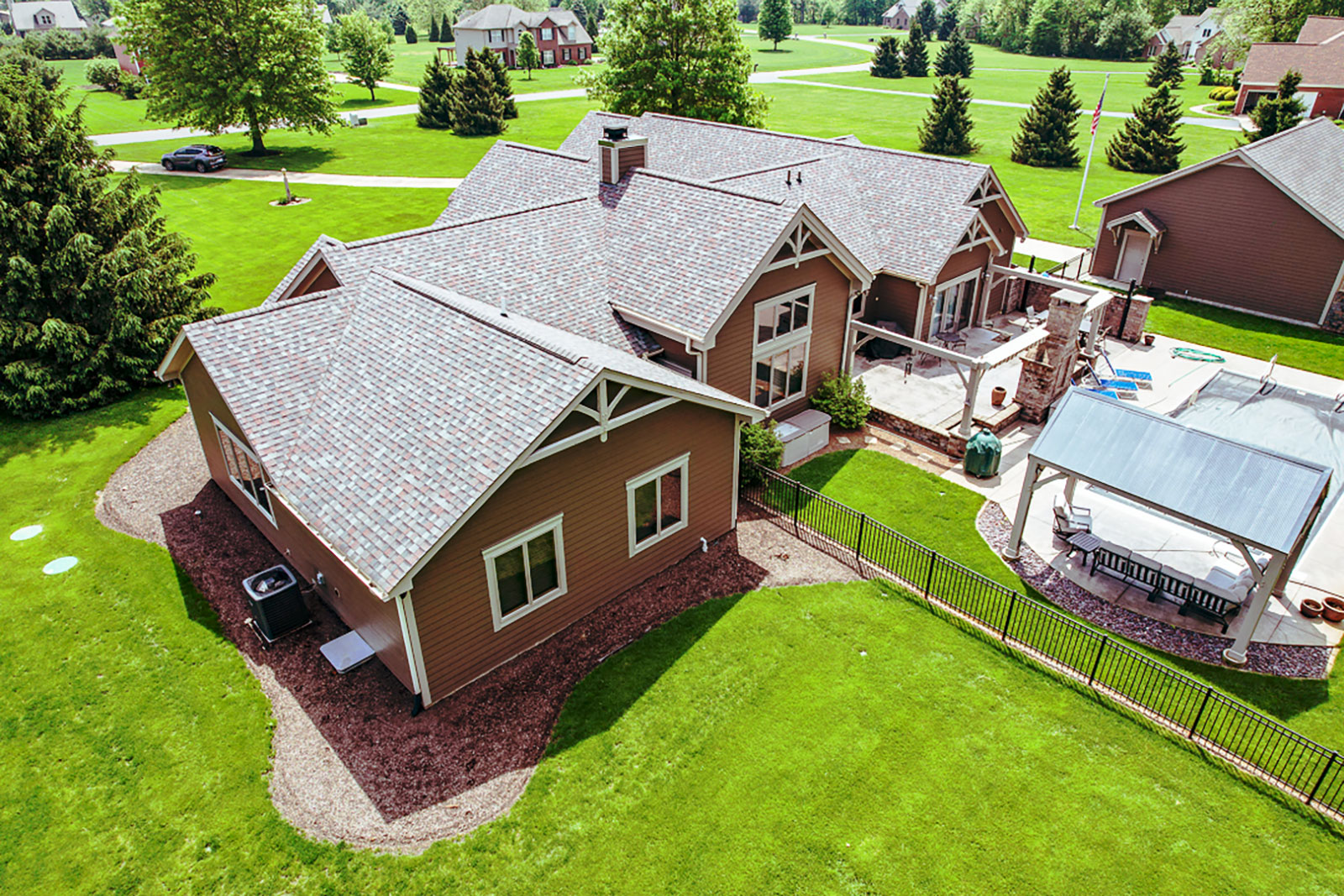
Expanding outward allows the home to grow while maintaining strong connections to existing living areas and preserving architectural balance.

Conversions That Add Livable Space

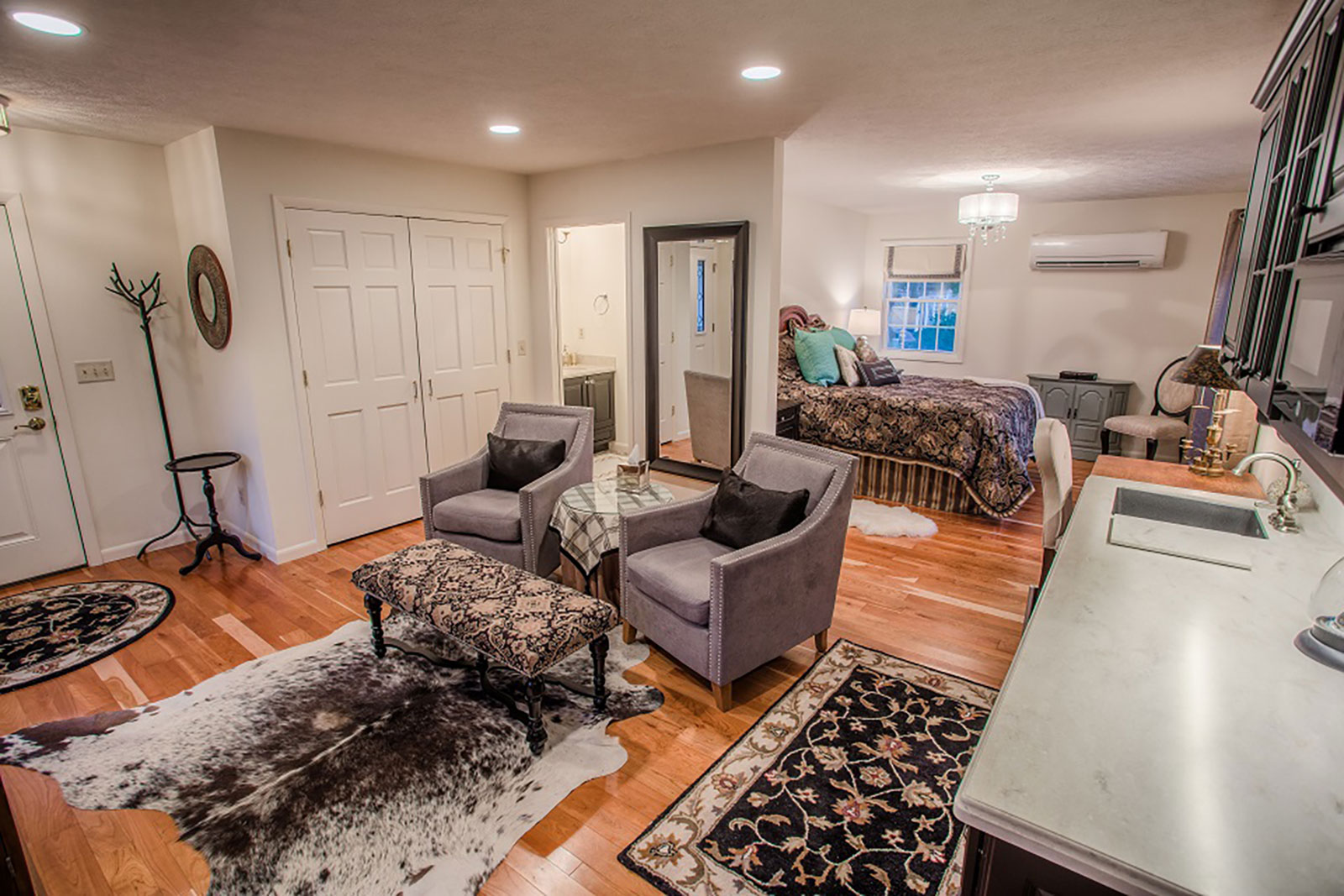
Finishing underused areas, such as basements, can dramatically increase functional living space. While not technically additions, finished basements often serve as:

  • Guest suites or in-law spaces
  • Media rooms
  • Home gyms
  • Recreation or hobby areas

When designed thoughtfully, these spaces feel like natural extensions of the home rather than secondary areas.
home-addition-7

Designing for Harmony and Flow

The success of a home addition depends on how well it integrates with the existing home.

Additional square footage adds real value when it feels intentional, connected, and thoughtfully designed rather than separate or tacked on. A well-planned addition enhances how the entire home functions, not just the space that is newly built.

Achieving this level of integration requires attention to:

  • Architectural consistency
    Materials, rooflines, proportions, and window styles should align with the existing structure.
  • Visual and physical flow
    New spaces should connect naturally to existing rooms, with intuitive circulation and clear sightlines.
  • Exterior presence
    Whether an addition is placed at the rear, side, or front of the home, it should enhance rather than disrupt the overall appearance.

Natural light also plays an important role. Thoughtful window placement helps unify old and new spaces, creating continuity throughout the home

home-addition-8

Creating Spaces That Fit Your Lifestyle

Once you understand why you need more space and how it might be created, the next step is imagining how that space will support your daily life.

The most successful additions are guided by purpose, not size alone. They respond to how you live today while remaining flexible for the future.

Homeowners often find that an addition is an opportunity to improve comfort, reduce daily friction, and create spaces that either bring people together or provide room to spread out when needed.

Additions commonly support:

  • Entertaining through expanded living or dining areas
  • Comfort and accessibility with main-floor bedrooms or suites
  • Flexibility through multipurpose rooms that adapt over time
  • Recreation with finished basements, home gyms, or media rooms
  • Outdoor living with sunrooms, screened porches, or four-season spaces

The goal is not simply more space, but space that enhances connection, enjoyment, and function.

Real Project Spotlight

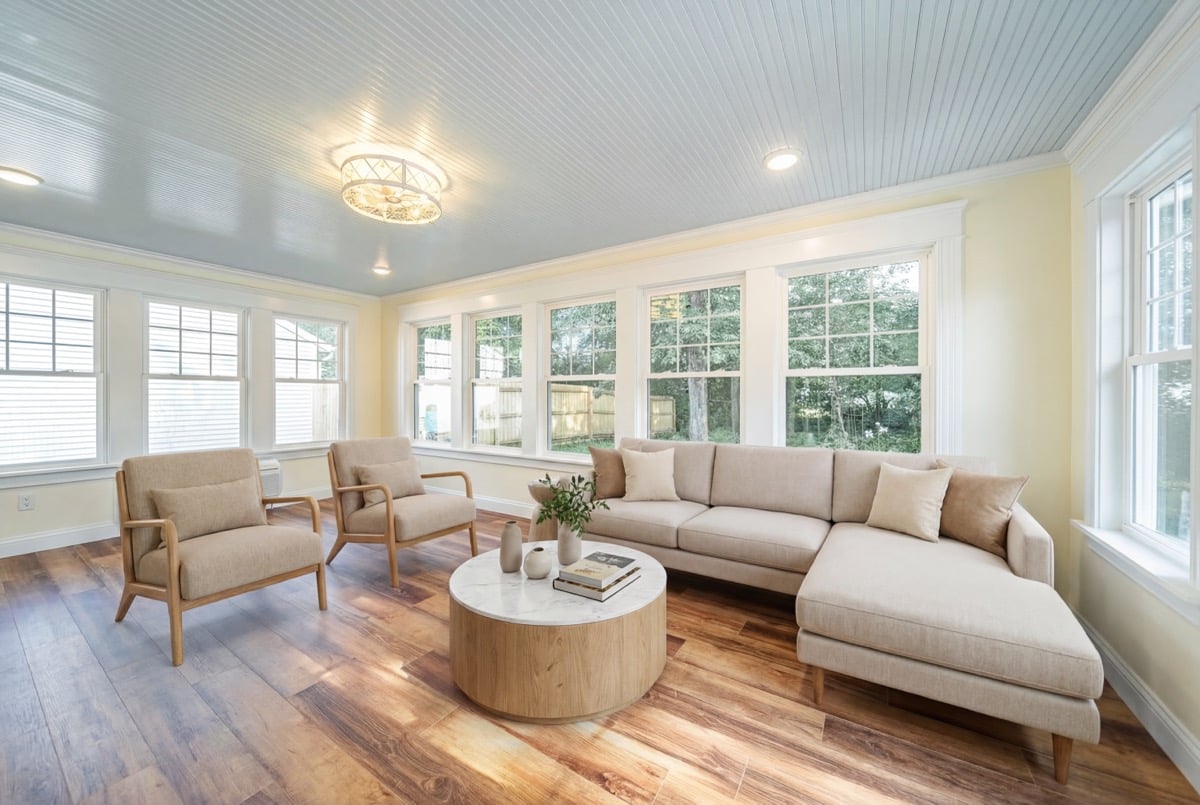
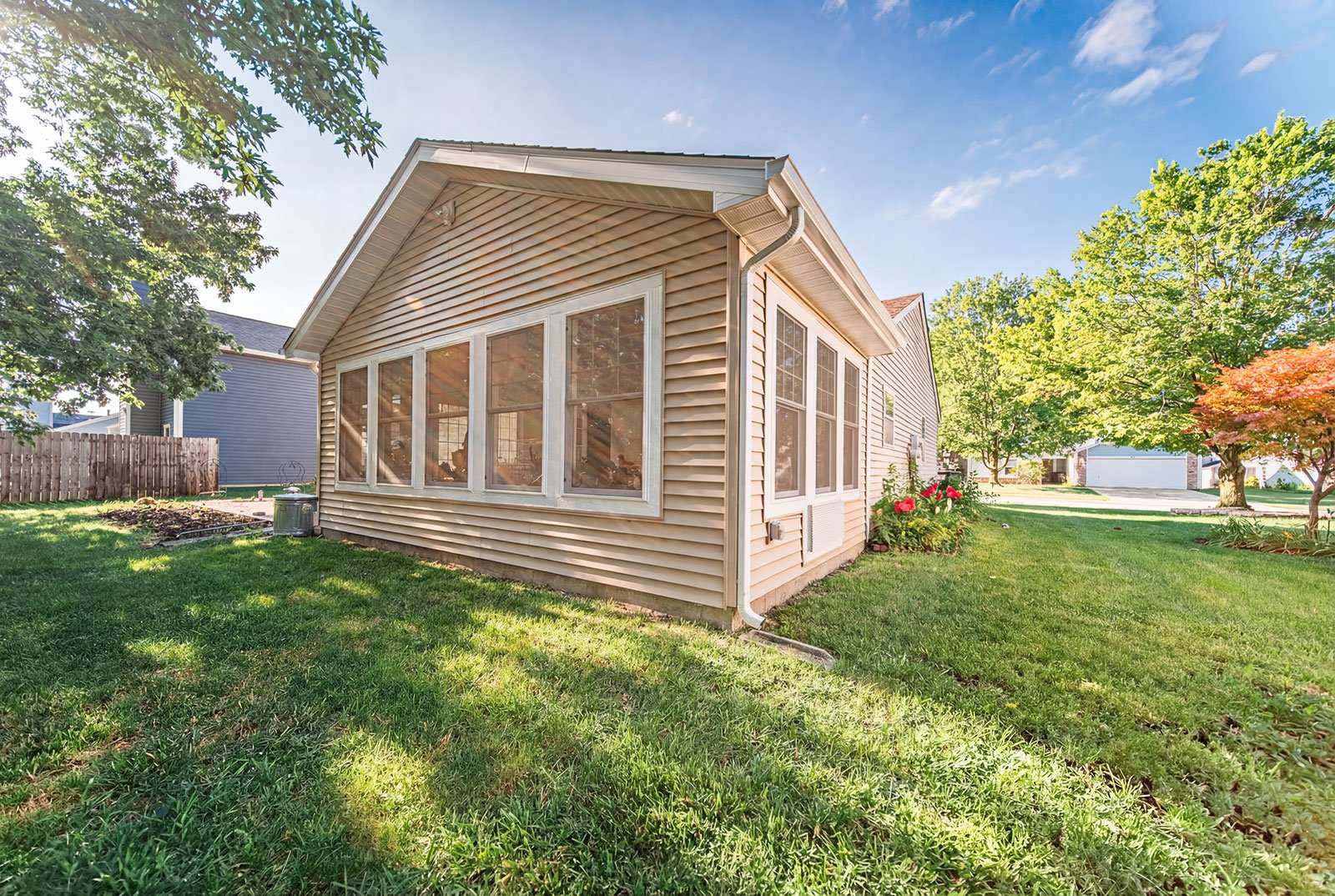
Four-Season Sunroom Addition in Lafayette

This four-season sunroom addition was designed to bring light, comfort, and flexibility into the homeowners’ daily lives. Expansive windows, durable finishes, and added heating and cooling allow the space to feel bright and welcoming throughout the year. The sunroom connects naturally to the existing home and extends outward to a patio, creating a seamless indoor and outdoor experience. The result is a calm, versatile retreat that supports year-round enjoyment while enhancing both function and beauty.

See the full transformation: Four-Season Sunroom Addition in Lafayette ›

porch-with-furnature

Planning for Feasibility and Longevity

Before investing too much time or emotion into design ideas, it is critical to understand whether an addition can actually be built.

Every property has constraints. Zoning regulations, setback requirements, lot coverage limits, structural conditions, and utility capacity all influence what is possible. These factors vary by location and even by neighborhood in and around Lafayette.

When feasibility is not evaluated early, homeowners may encounter obstacles later, such as:

  • Designs that cannot be permitted
  • Required variances that delay progress
  • Costly redesigns after plans are already developed
  • Budget increases that could have been avoided

A thorough feasibility review helps confirm that an addition aligns with local regulations and the physical realities of the home before detailed design begins.

Additional considerations include structural integrity, site conditions, drainage, utility access, budget alignment from the outset, and future-proofing for changing needs or resale value. When feasibility is addressed early, homeowners gain clarity, avoid surprises, and move forward with confidence.

home-addition-11

Making the Most of What You Have

Not every home needs more square footage to feel more livable.

In many cases, homes feel cramped because the layout no longer supports modern living. Spaces that once made sense may now feel inefficient, disconnected, or underused.

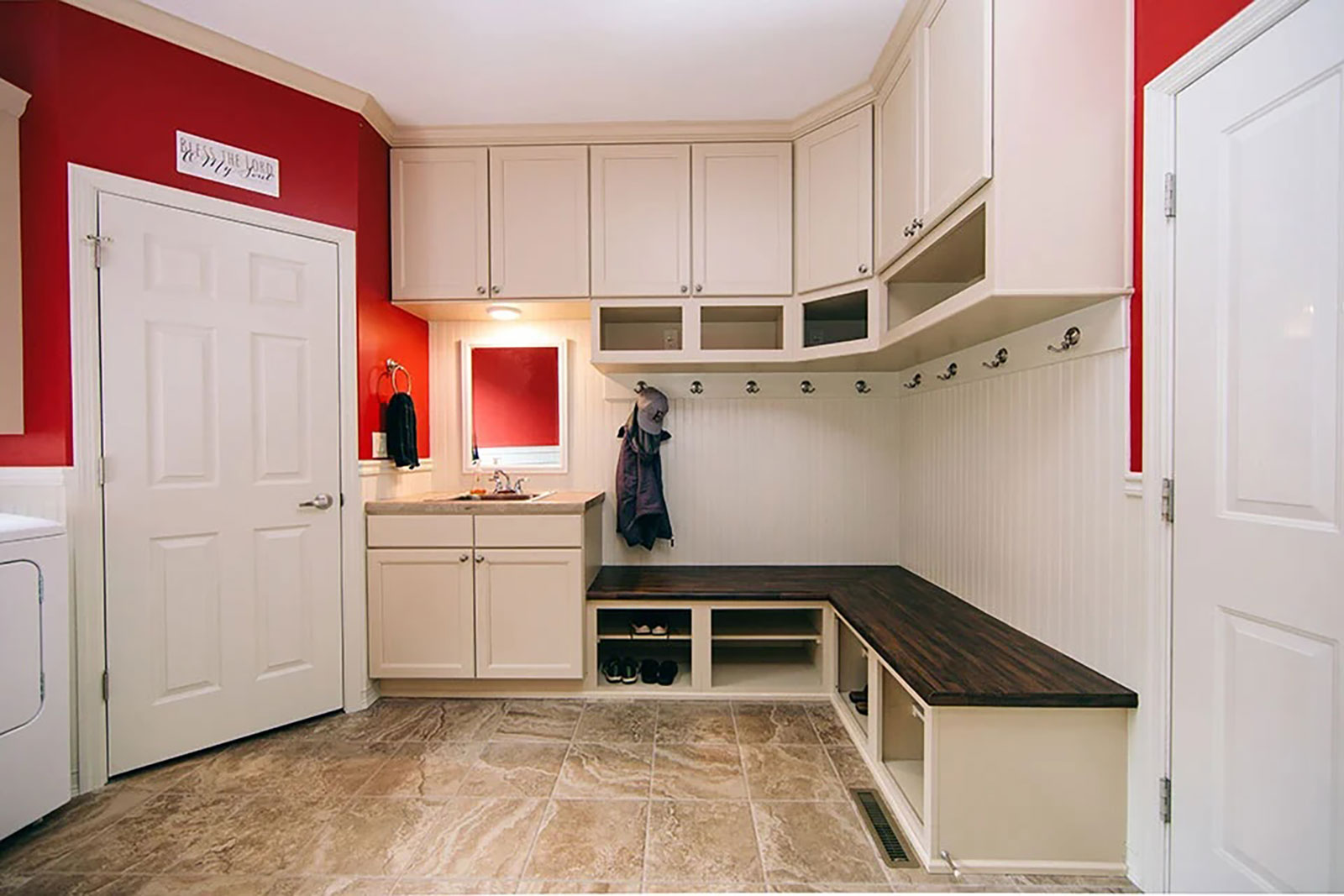
Before committing to an addition, it is often worth exploring how existing space can be rethought, reorganized, or refined. Thoughtful layout changes can unlock hidden potential and dramatically improve comfort, flow, and function, sometimes with less complexity than building outward.

Examples include:

  • Converting a formal dining room into a family gathering space
  • Opening the kitchen to adjacent living areas
  • Repurposing underused bedrooms or bonus rooms
  • Finishing attics, garages, or basements for everyday use

These solutions may stand on their own or complement an addition to create a more balanced and efficient home.

home-addition-12

Real Project Spotlight

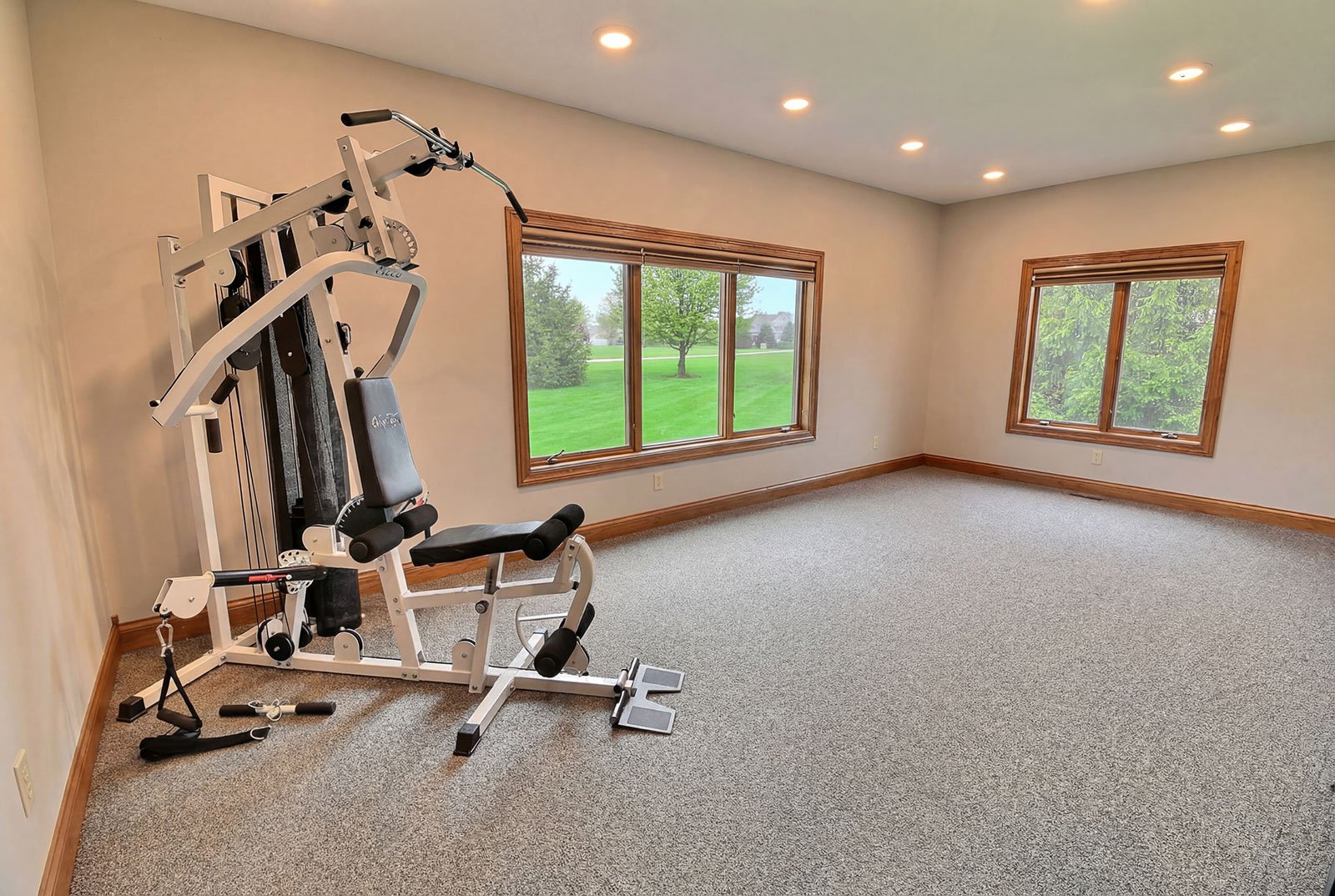
Bed, Bath & Workout Room Addition

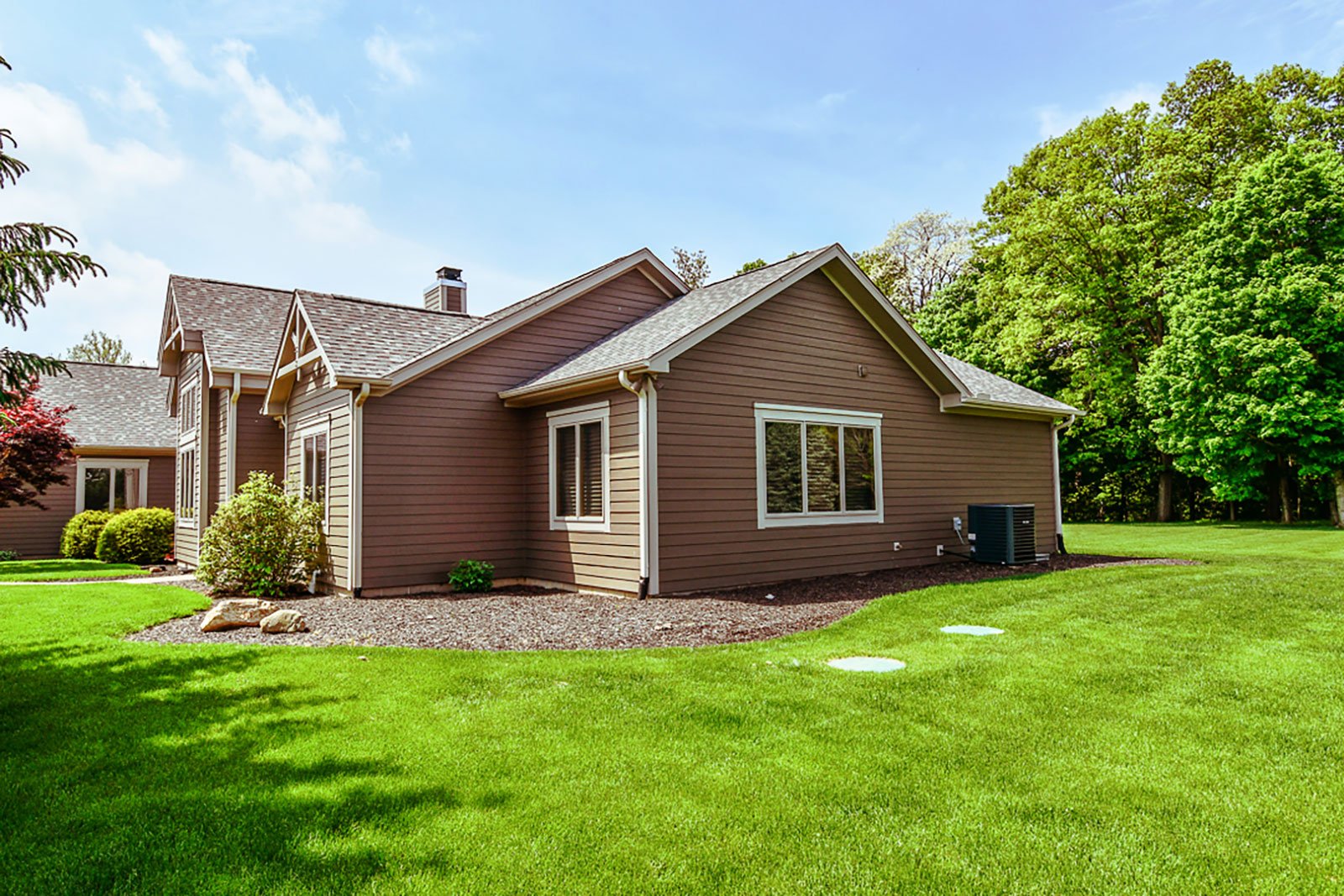
This thoughtfully planned addition gave the homeowners the extra space they needed without compromising the character of the home they loved. Designed to blend naturally with the existing architecture, the new square footage includes a comfortable guest bedroom, a full bathroom, and a dedicated workout room. The home now supports extended family visits and everyday living with greater ease, allowing the homeowners to welcome guests comfortably while enjoying privacy and balance.

See the full transformation: Bed, Bath & Workout Room Addition in Brookston ›

workout-room
bedroom
addition-exterior
home-addition-14

The Road to a Seamless Remodel

Planning and executing a home addition involves many moving parts. Beyond design choices, successful projects depend on understanding how the home is built and how new construction will interact with existing systems.

A seamless remodel relies on early collaboration between design professionals, construction teams, and trusted trade partners. These experts assess the home together to identify conditions that may influence design, cost, and construction.

This early involvement helps uncover:

  • Structural conditions that affect layout and framing
  • Utility routing that may require modification or relocation
  • Site constraints that influence access and sequencing
  • Scope details that impact pricing accuracy

By involving construction and trade professionals early, potential issues are addressed before work begins. This leads to more accurate pricing, realistic timelines, and fewer surprises during construction.

A coordinated design-build approach allows homeowners to move forward with confidence, knowing the project has been thoughtfully evaluated from both a design and construction perspective.

Real Project Spotlight

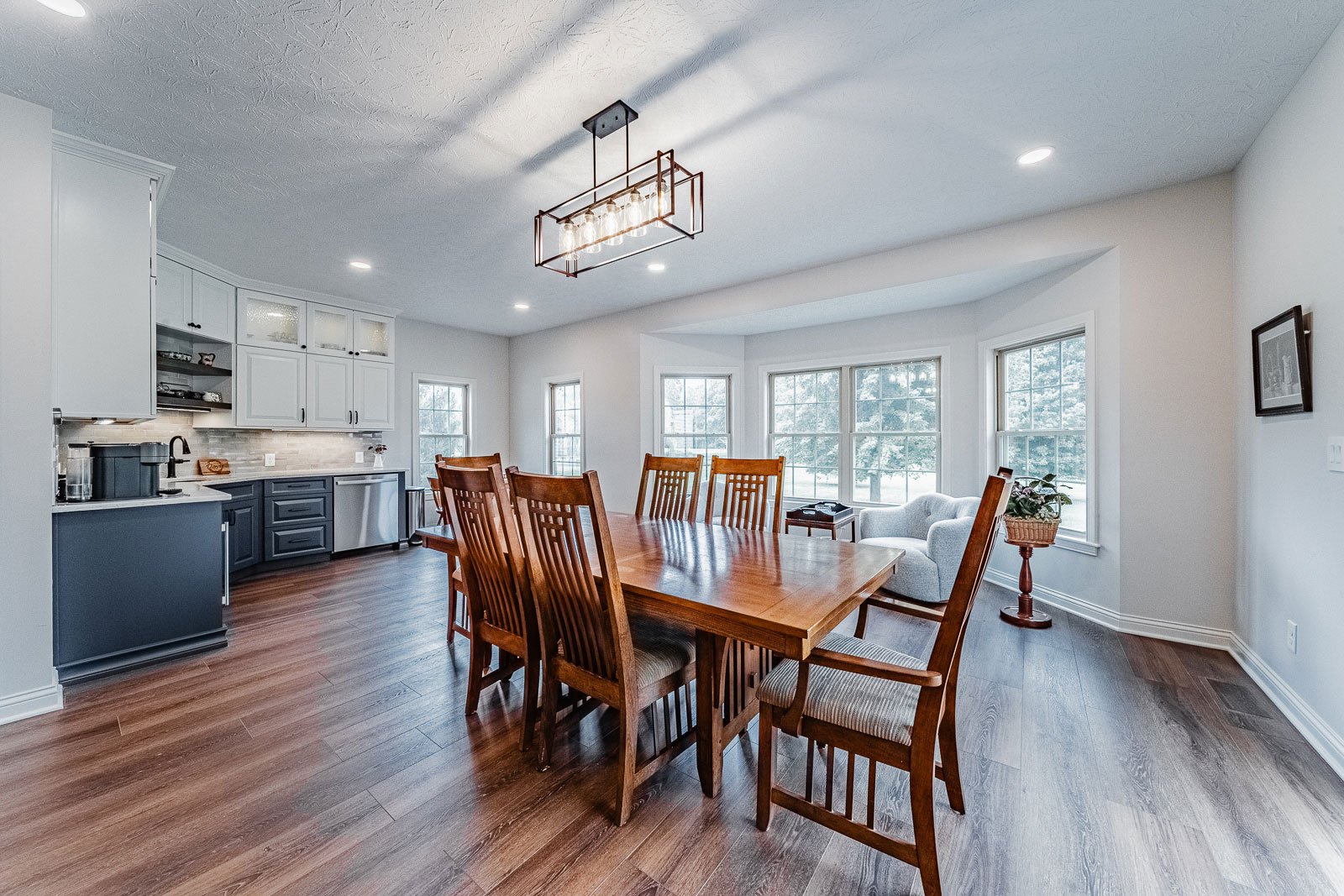
Meadow Lane West Lafayette Kitchen Addition

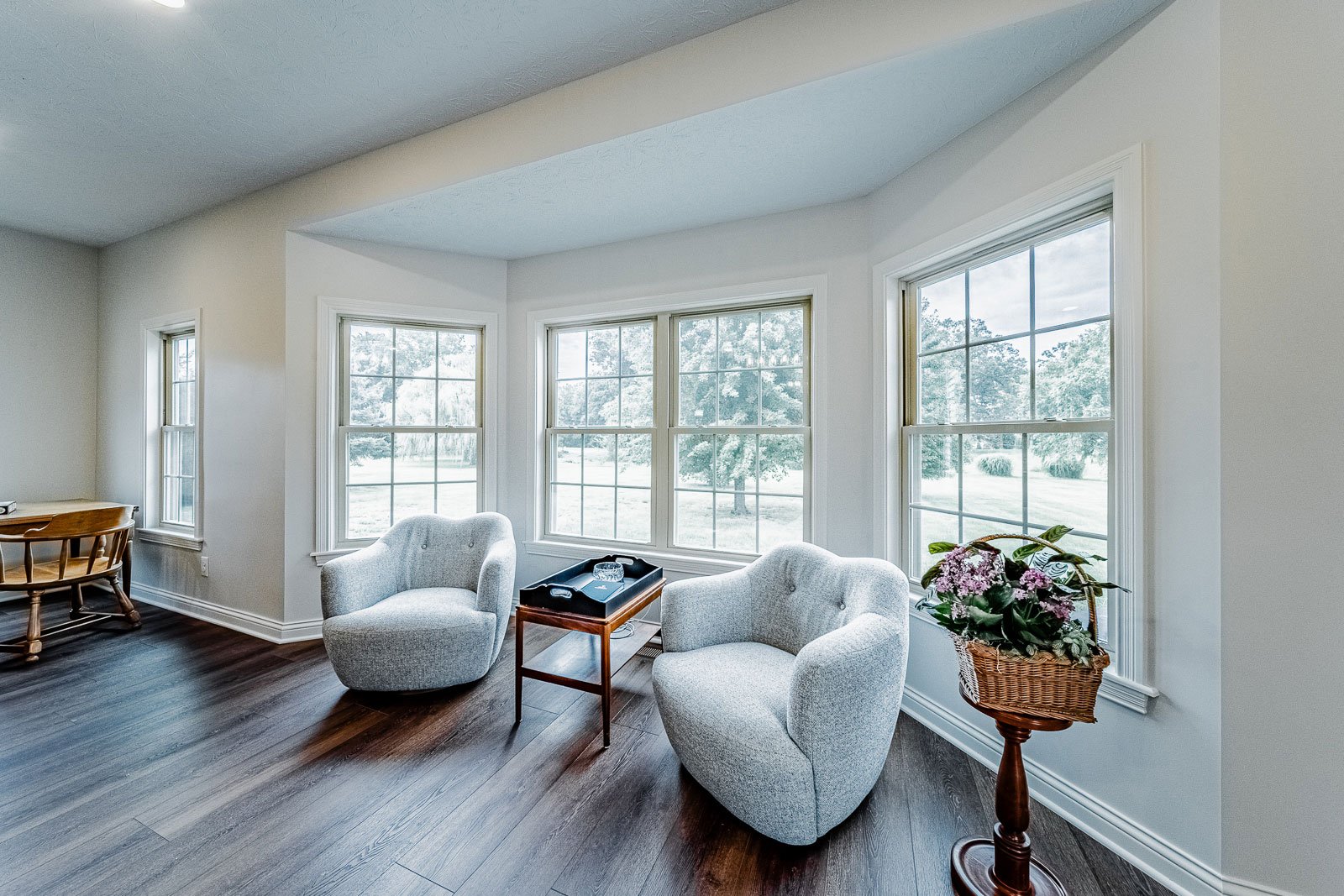
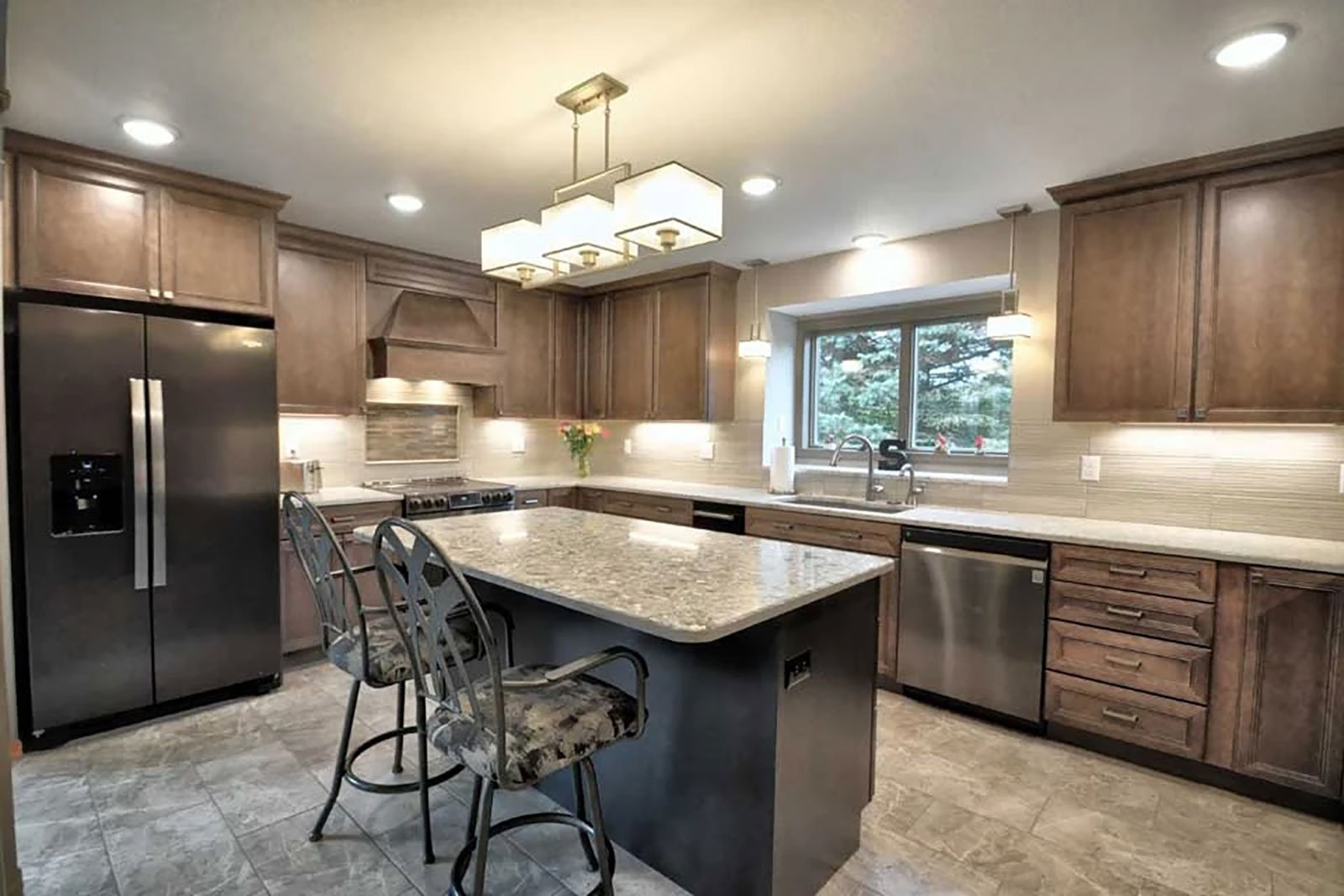
This kitchen addition was designed to support the way these homeowners love to gather and entertain. By opening up the floor plan, the new layout improves workflow and traffic flow while creating generous dining and gathering space. Expanded storage, including a larger pantry, brings organization and ease to daily use. The result is a kitchen that feels open, functional, and welcoming, a space the homeowners are excited to enjoy and share for years to come.

See the full transformation: Meadow Lane West Lafayette Kitchen Addition ›

home-addition-15
home-addition-16

More Space, More Life

Thoughtful home additions create more than extra rooms. They create opportunity for connection, comfort, and growth.

What-it-is-like-to-Remodel-with-Riverside-ctaWhether through reimagining existing space or expanding outward, the right solution respects what your home already is while making room for what comes next.

With clarity, curiosity, and careful planning, your home can continue to support your life, not just today, but well into the future.

Next Steps

Schedule-Home-Remodeling-Discovery-session-Riverside-CTATo learn more about the design-build experience, download our eBook: "What It's Like to Remodel with Riverside.":

When you are ready to begin planning your own home addition, a Home Remodeling Discovery Session can help clarify options and next steps.

If You Are Planning a Home Addition - Get Your eBook PDF Now

Before adding space, it’s important to understand why your home no longer fits and what options truly support the way you live.

Our eBook, Building Beyond Boundaries, helps you think through home additions with clarity—when it makes sense to rework existing space, when expanding is the better solution, and how thoughtful design improves flow, comfort, and long-term livability.

If you’re in the early stages of planning, this guide provides a clear starting point before decisions feel overwhelming.

Download Now