Designing Your Ideal Kitchen: A Practical Guide to Style, Function, and Everyday Living
Table of Contents
Designing for Function — Storage, Flow, and Everyday Living
Real Project Spotlight: Creating Flow in a Once-Closed Kitchen
Why Your Kitchen Deserves a Thoughtful Redesign
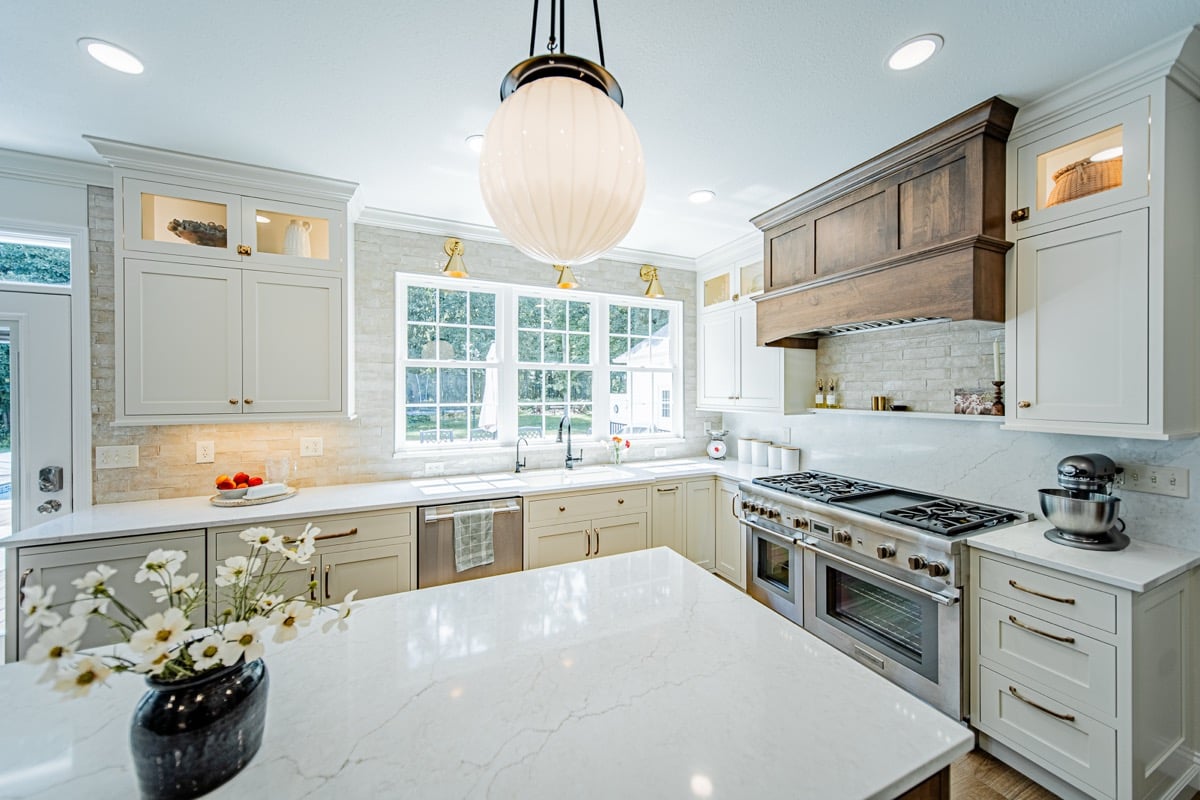
Every homeowner reaches a point when their kitchen stops working the way it should. Maybe it’s cluttered countertops, tired cabinets, lack of function, or a layout that isolates the cook from everyone else. The frustration builds with every meal until you realize it’s time for a change.
A kitchen remodel isn’t just about new finishes or trendy colors. It’s about designing a space that enriches your daily life, where cooking, gathering, and connection all flow naturally. The right design brings clarity and calm to your home, making everyday routines smoother and more enjoyable. A thoughtful redesign isn’t only about appearance; it’s about creating a kitchen that truly supports the way you live.
Understanding What’s Not Working (and Why It Matters)
Before you can design the kitchen you want, it helps to understand what’s holding your current space back.
Common issues include:
- Poor flow between cooking, prep, and storage areas
- Limited cabinet space and/or awkward, hard to access areas within the cabinetry
- Outdated lighting that leaves shadows where you need light the most
- Isolated layouts that separate the cook from family and guests
- Worn finishes or cabinetry styles that make the space feel dated
These frustrations take a quiet toll on how you live. A disorganized kitchen makes cooking stressful and wastes time. When storage is inefficient, you end up buying duplicates or losing track of ingredients. The result is more frustration and less enjoyment in a space that should bring joy.
Recognizing what isn’t working is the first step toward designing a kitchen that truly fits your life.
Download Your Copy of This eBook
A kitchen remodel is more than choosing finishes. It’s your chance to create a space that supports your daily routines and feels good to live in. This guide gives you clear, practical insights into what makes a kitchen functional and beautiful—so you can approach your remodel with confidence.
You’ll learn how to identify what your current kitchen is missing, discover improvements that truly make a difference, and make informed decisions about layout, storage, lighting, and flow. Whether you’re planning ahead or ready to start now, this eBook helps you take the first step with clarity and direction.
Download The eBook
Discovering Your Style and Priorities
Design begins long before sketches or samples. It starts with understanding what doesn’t function well in your current kitchen and how you cook, gather, and use your space every day.
In the early design phase, you’ll explore questions such as:
- What do you not like about your current kitchen?
- Are there any items that you wish you had better storage solutions for?
- How do you use your kitchen on a daily basis?
- How many people cook in your kitchen at once and who does most of the cooking?
- What types of meals do you prepare most often?
- Do you entertain frequently, or is your kitchen a quiet retreat?
- What materials, textures, and colors feel most like home to you?
These conversations reveal more than style preferences. They uncover the values that drive your design, including needs, connection, comfort, organization, and style preferences. From there, your designer can create a plan that honors your home’s architecture while reflecting your lifestyle.
Good design is the bridge between vision and reality. It balances proportion, light, materials, and flow so the space feels cohesive and effortless. Even if you begin without a clear vision, a skilled designer can help you discover possibilities you may not have imagined and guide you toward a kitchen that feels timeless and uniquely yours.
Designing for Function — Storage, Flow, and Everyday Living
Thoughtful design solves real-world challenges such as:
- Deep drawers that replace hard-to-reach base cabinets
- Pantries with pull-out storage or pull-out spice racks that keep essentials within reach
- Beverage stations or coffee bars that free up counter space
- Under-counter microwaves and vertical storage that add convenience
- Subtle expansions that improve movement and create breathing room
Beyond clever solutions, great kitchen design follows guiding principles: balance, proportion, and flow. Every element, from cabinetry placement to the width of walkways, supports how you move through the space. Open sightlines make conversation easy and bring a sense of calm. Removing heavy upper cabinets over a peninsula or widening transitions can instantly make a kitchen feel larger and more connected. When function and beauty align, your kitchen becomes a place that works with you, not against you, bringing order, ease, and enjoyment to everyday life.
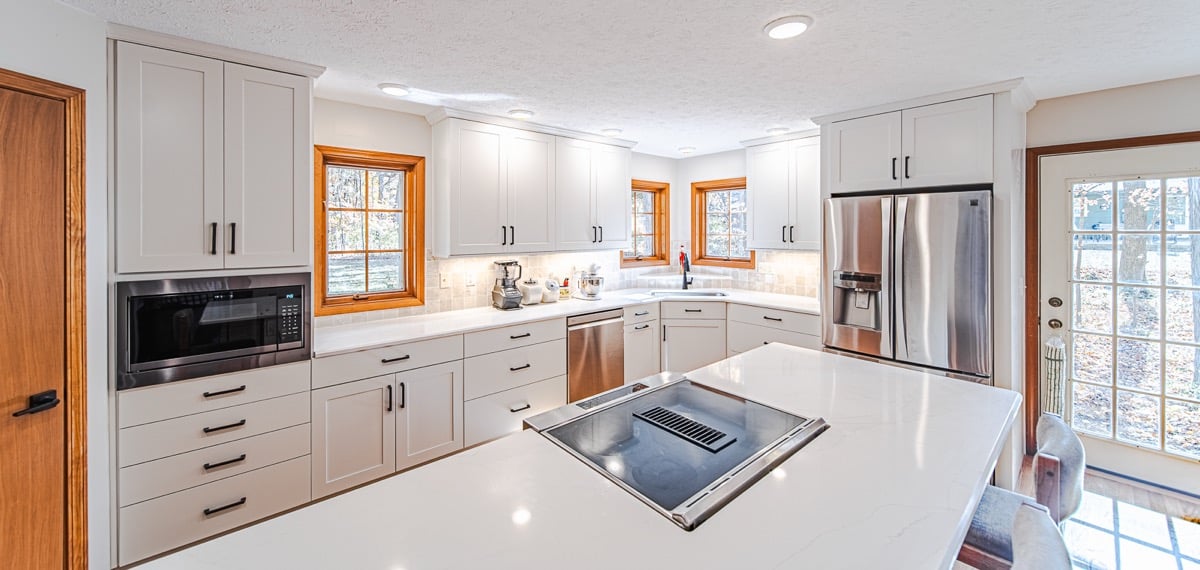
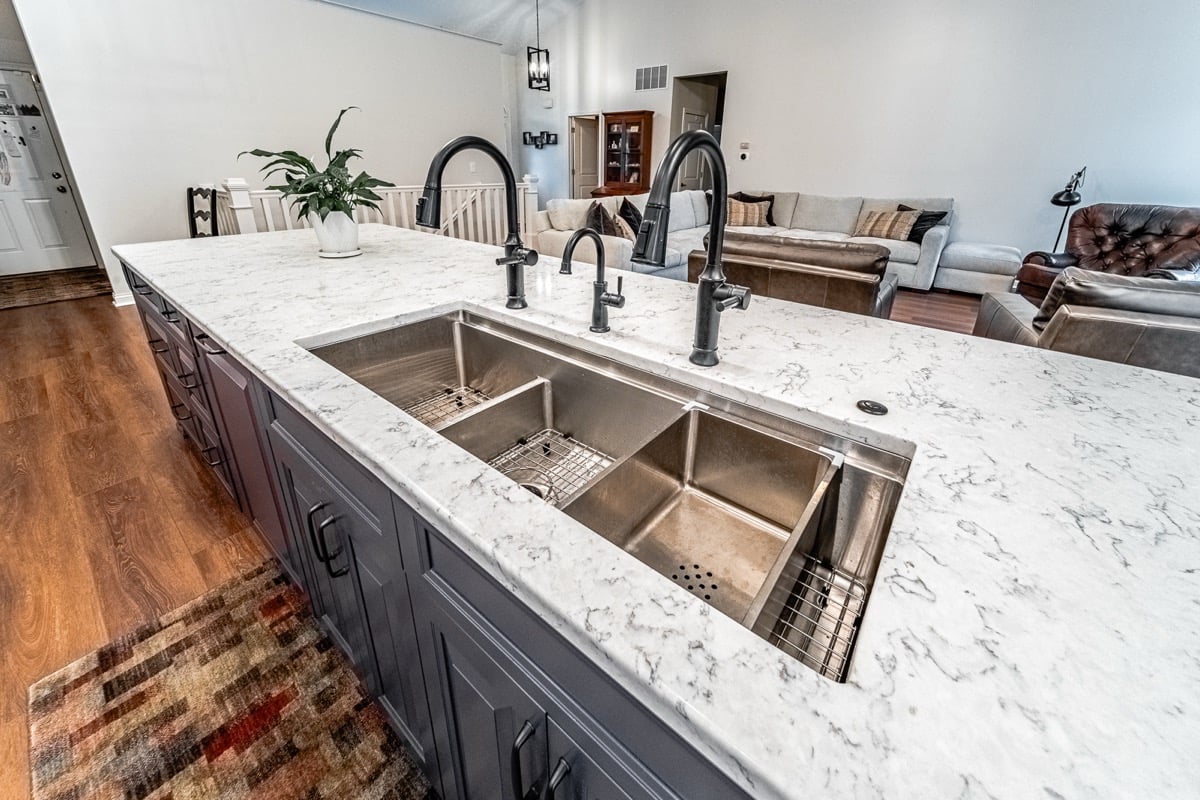
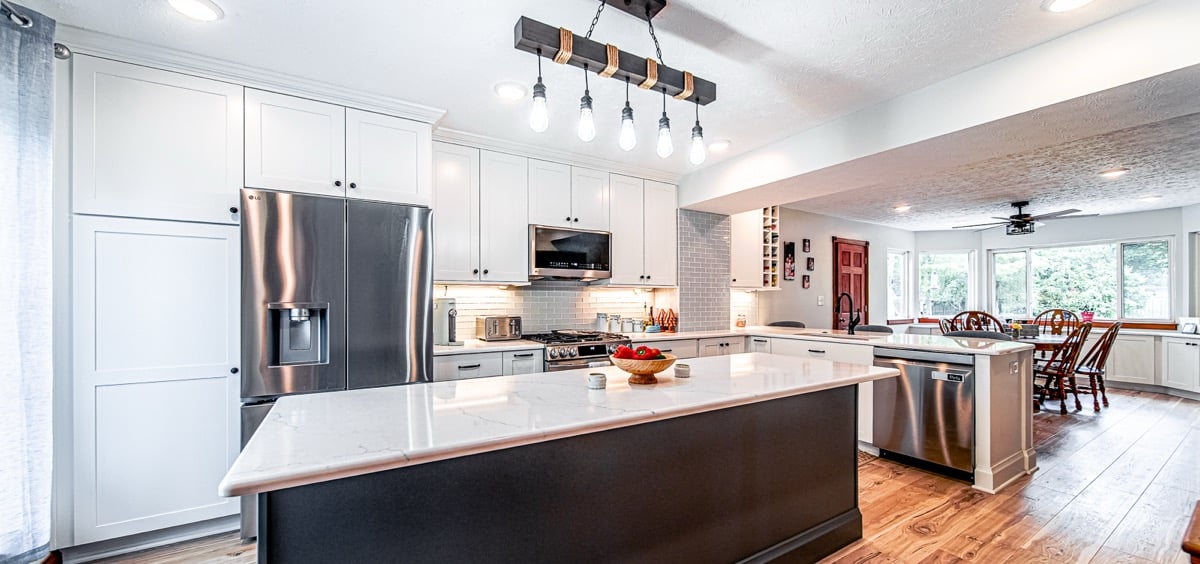
A Lafayette-area family came to Riverside with a kitchen that felt small and narrow. The cabinets didn’t function well for them and the finishes were dated. The kitchen was also situated in the middle of 2 separate eating spaces: the formal dining room and the casual eating area off the kitchen. The family rarely used the formal dining room and it became more of a catch-all space not serving much purpose. Despite the kitchen being in a central location, it was very cut off from the family room with a wall and left the cook feeling cut off from the rest of the family while preparing meals.
Riverside reimagined the entire flow of the space by removing portions of walls to connect the kitchen to the family room. Completely reorienting the location of the kitchen to utilize the casual dining area while leaving the formal dining area to serve as their main dining space, introducing a large central island for prep and casual seating, adding a custom dedicated coffee hutch, and layering finishes that brought warmth and visual continuity. The result is a kitchen that feels open, balanced, and connected to the rhythm of family life.
See the full transformation: Warm, Refined Kitchen Remodel in Frankfort ›
Bringing in the Light — Designing for Mood and Connection
Lighting is one of the most transformative tools in kitchen design. It affects not only what you see but how you feel.
A well-lit kitchen layers task, ambient, and accent lighting to balance clarity and atmosphere:
- Task lighting brightens work areas for safety and precision.
- Ambient lighting fills the room evenly for comfort and visibility.
- Accent lighting adds personality, highlighting architectural details or creating a soft evening glow.
Light temperature also shapes the experience. Warm light feels welcoming and natural, while cooler tones create a crisp, modern aesthetic. Many homeowners choose adjustable LED fixtures to match their mood throughout the day.
Natural light plays an equally vital role. Larger windows, open sightlines, or a strategically placed skylight can flood the kitchen with daylight, bringing the outside in and connecting you to the rhythm of the day. A well-designed lighting plan transforms not just how your kitchen looks, but how it feels and functions.
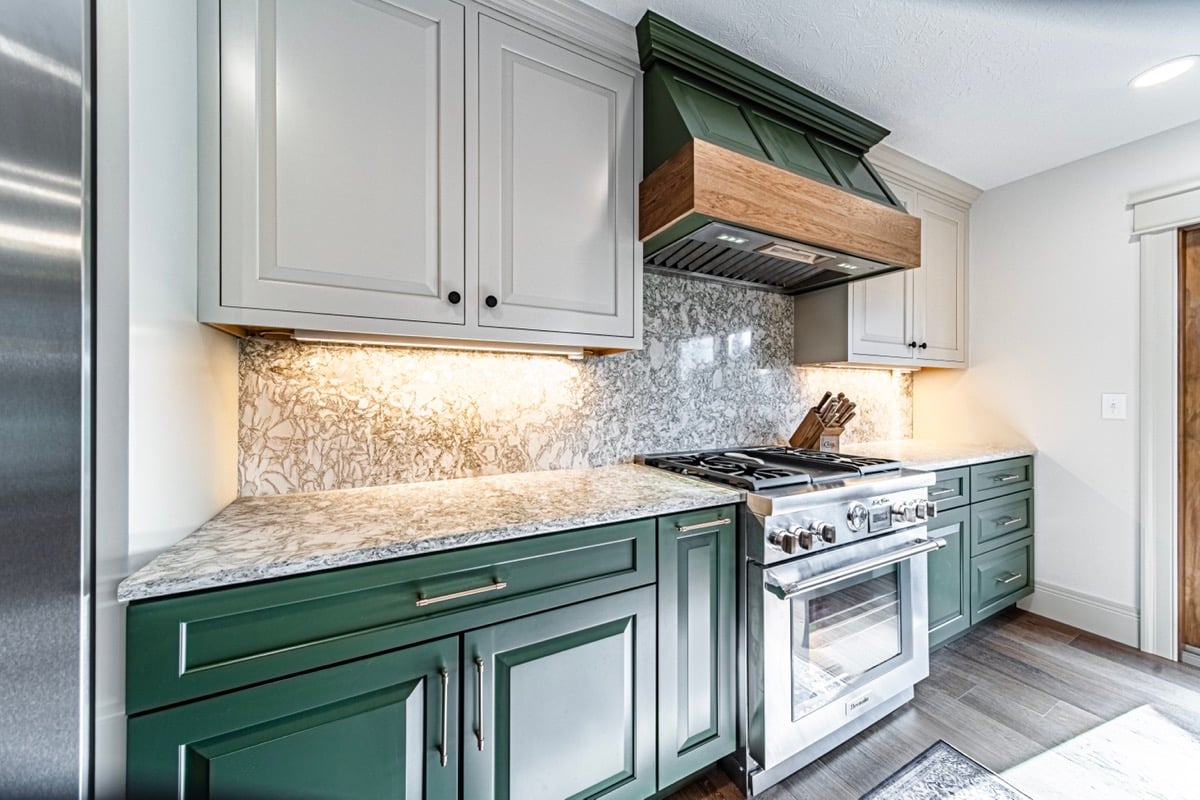
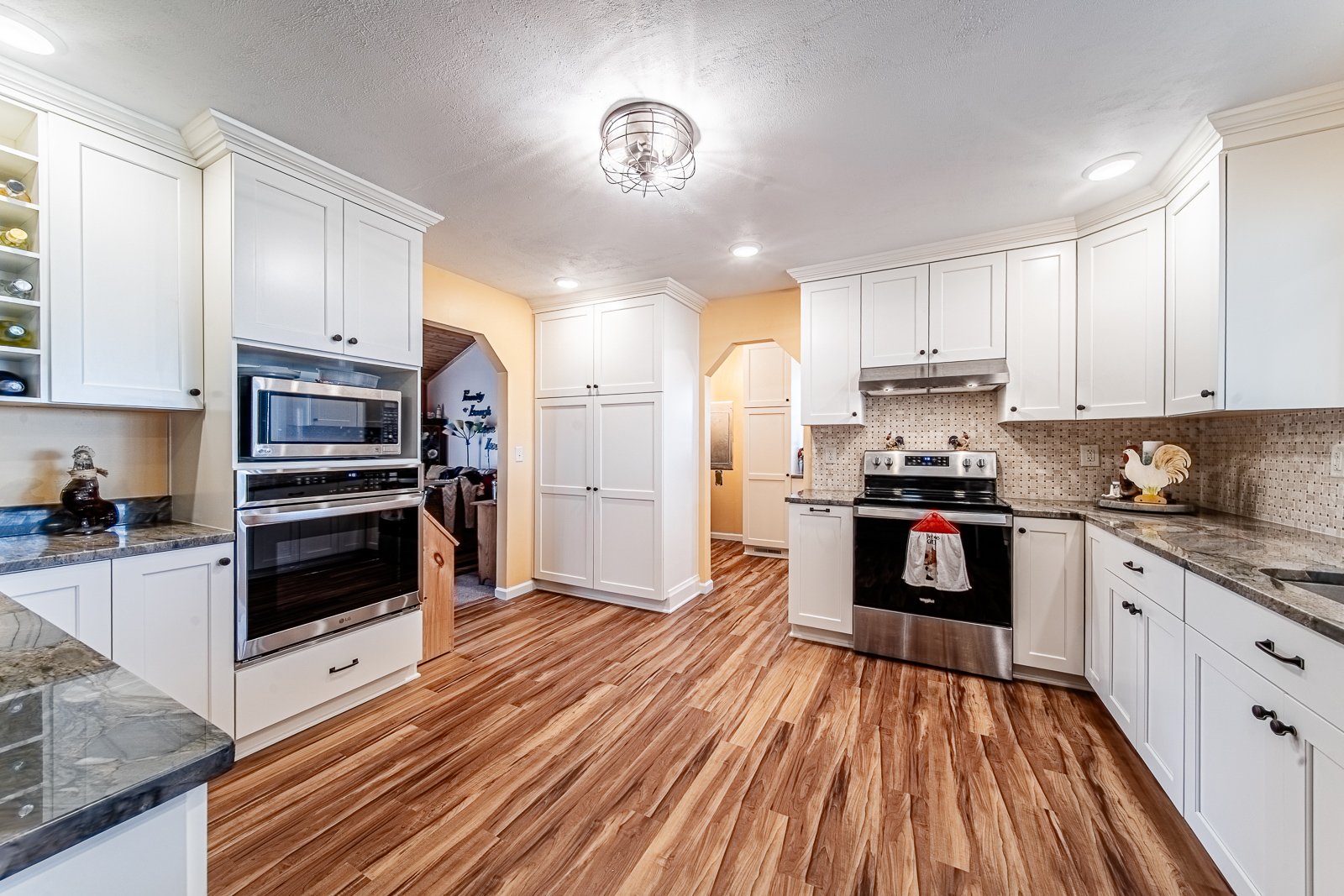
In one rural Lafayette home, the homeowners were fed up with their kitchen layout and ready for a complete overhaul and the cold, dim atmosphere from the existing lighting was not helping. Limited windows and poor overhead lighting created shadows that dulled the warmth of their home.
Riverside transformed the mood entirely by layering soft ambient and a few tasklights to highlight functional work areas. Warm-toned fixtures, a fresh color palette, and ample lighting improved both visibility and atmosphere. Now the kitchen glows with warmth, character, and a welcoming sense of calm.
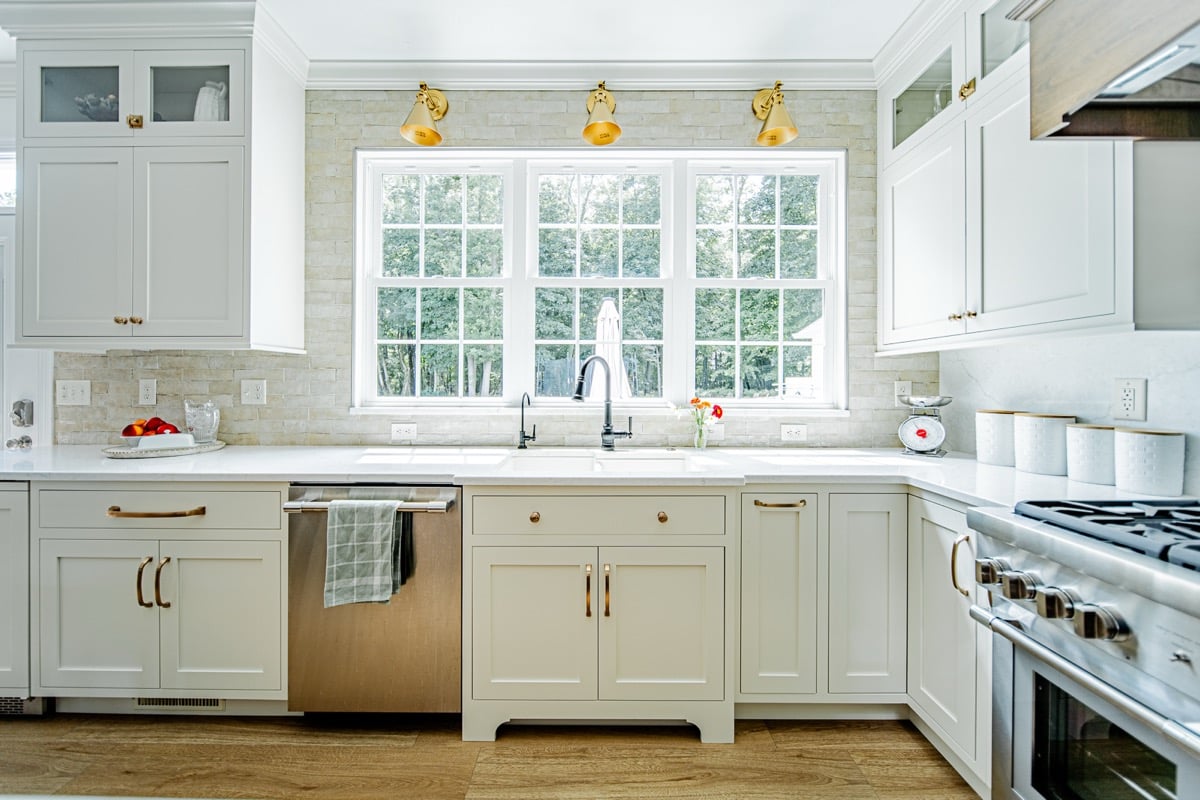
See the full transformation: Timeless Kitchen Remodel with Warm Tones in Rural Lafayette ›
Designing a Kitchen That Brings People Together
At its heart, the kitchen is a social space. The best designs invite people to gather, linger, and connect.
Open layouts, well-placed islands, and dual prep zones encourage togetherness. Whether it’s friends leaning on the island during a dinner party or children doing homework while dinner simmers, the kitchen becomes the hub of daily life. Even in smaller homes, thoughtful details such as a peninsula with stools, a cozy dinette, or a wider entryway create that same feeling of inclusion.
A cohesive design ties adjoining rooms together through consistent flooring, materials, and lighting. These subtle transitions make the home feel larger, more harmonious, and more welcoming. Good design strengthens connection, laughter, and daily joy.
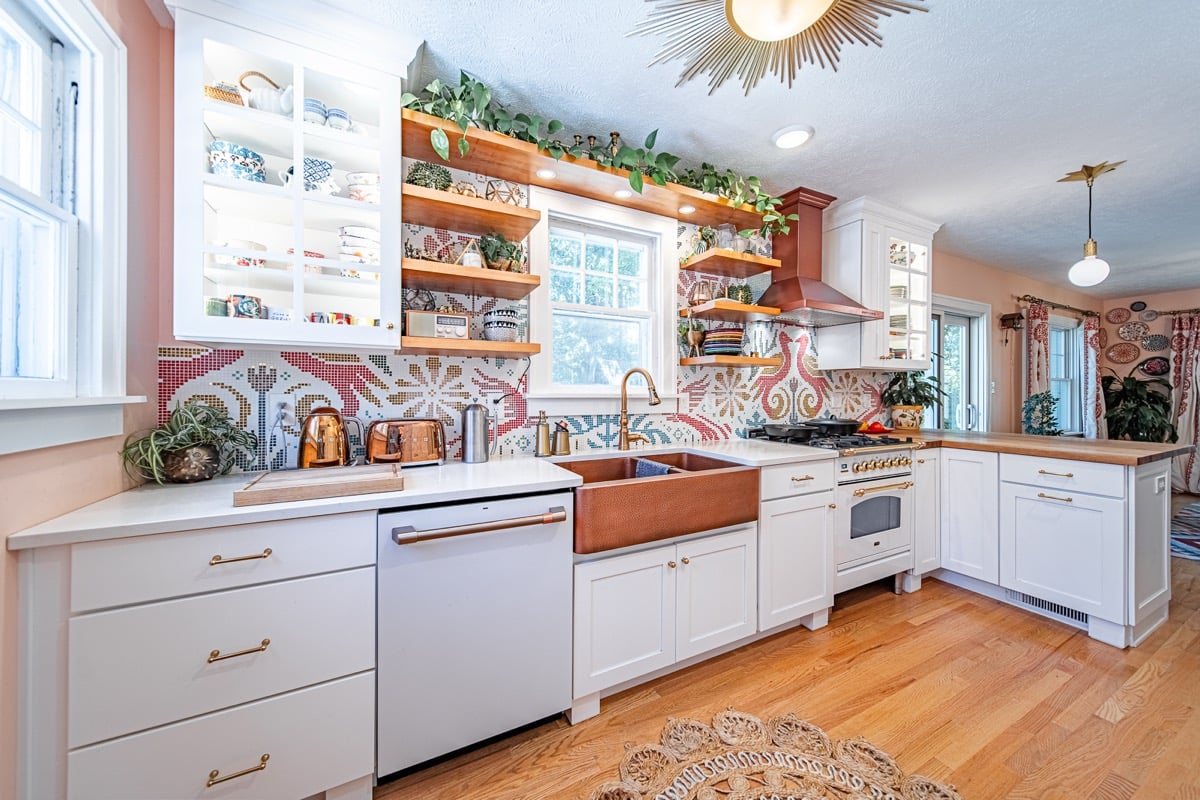
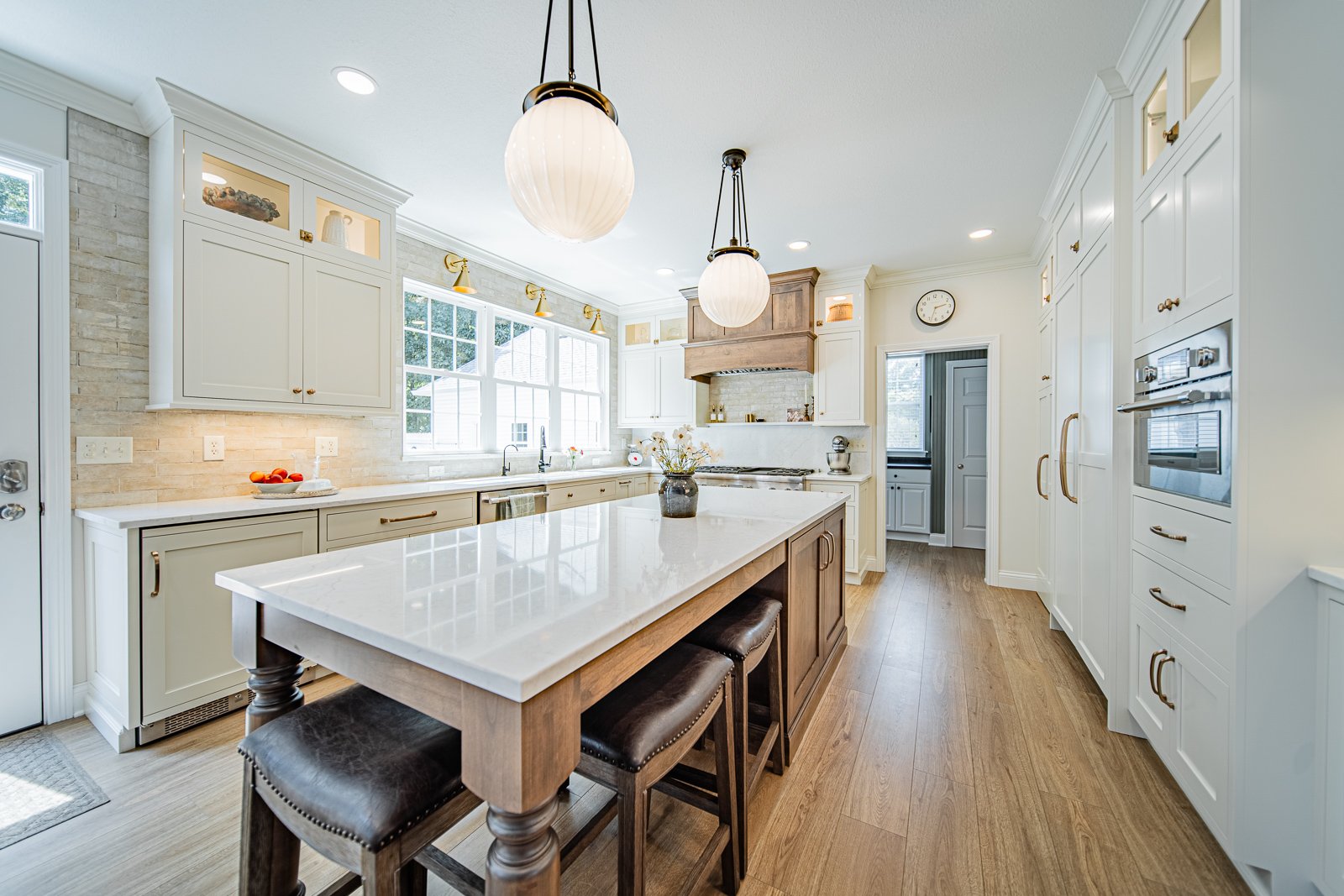
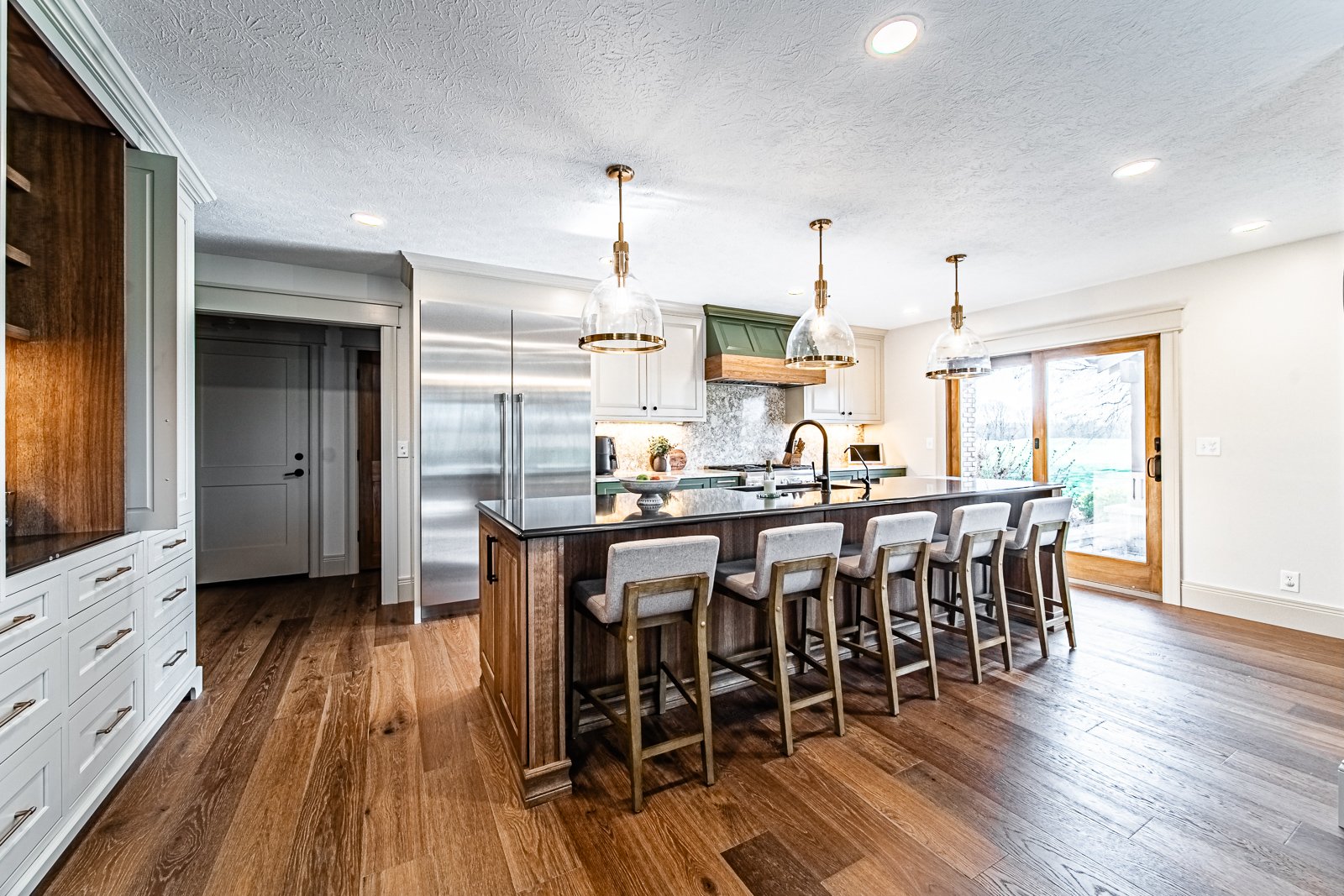
A West Lafayette family dreamed of a kitchen where everyone could come together, one that reflected their traditional style while offering modern comfort. Their original kitchen felt tired, disfunctional, and outdated, lacking the necessary amenities their family needed with multiple children and hosting gatherings throughout the year. Riverside expanded the layout by enlarging the central island with more seating for family and guests while adding much needed counter space and storage. Classic finishes, including white cabinetry, warm wood tones, and black accents, brought both character and cohesion. The result is a welcoming, functional kitchen that truly serves as the heart of the home.
See the full transformation: Modern Farmhouse Kitchen Renovation in West Lafayette ›
From Plan to Completion — Simplifying the Remodeling Journey
A successful kitchen remodel follows a clear, well-planned path. Understanding what to expect removes uncertainty and builds confidence.
Design and Concept Development
The process begins with collaboration. Early meetings and 3D renderings help you visualize your new space before any work begins. Even if you’re unsure what you want, this stage reveals what’s possible and helps refine the design until it fits perfectly.
Material Selection
Choosing finishes can feel overwhelming when thousands of products are available. Working with a professional designer turns this into an enjoyable experience. You’ll receive curated options that align with your budget, taste, and lifestyle, keeping the process focused and fun.
Construction and Communication
Before work begins, clear scheduling and pre-construction meetings outline logistics and expectations. During construction, consistent updates keep you informed as your kitchen takes shape. With organized planning and dependable communication, the transformation feels exciting rather than stressful. Every detail, from ordering materials in advance to coordinating skilled trade partners, keeps the project on track and on time.
With thoughtful planning and expert guidance, remodeling becomes a rewarding experience that transforms your home and your daily life.
Confidence in Your Kitchen Remodeling Journey
Designing your ideal kitchen is about more than updating a space. It’s about creating a place that brings comfort, order, and joy for years to come. When design and craftsmanship work together, the result is timeless, a kitchen that functions beautifully today and continues to serve you well into the future.
Remodeling also enhances your home’s long-term value. Unlike quick “flips” that fade over time, a carefully designed renovation strengthens both your property and your quality of life. It’s an investment in beauty, functionality, and peace of mind that enriches how you live every single day.
Your Next Step:

Learn more about what it’s like to remodel with a thoughtful design-build process. Download our eBook “What It’s Like to Remodel with Riverside: A Guide to Thoughtful Design, Trusted Craftsmanship, and a Home You’ll Love Living In.”Ready to start planning your remodel? Schedule your Home Remodeling Discovery Session with Riverside Construction.
Get Your Copy of This eBook
A kitchen remodel is more than choosing finishes. It’s your chance to create a space that supports your daily routines and feels good to live in. This guide gives you clear, practical insights into what makes a kitchen functional and beautiful—so you can approach your remodel with confidence.
You’ll learn how to identify what your current kitchen is missing, discover improvements that truly make a difference, and make informed decisions about layout, storage, lighting, and flow. Whether you’re planning ahead or ready to start now, this eBook helps you take the first step with clarity and direction.